AI in Dairy: Revolutionizing Operations and Decision-Making
Author : Alyssa Miller | Published On : 15 Apr 2026
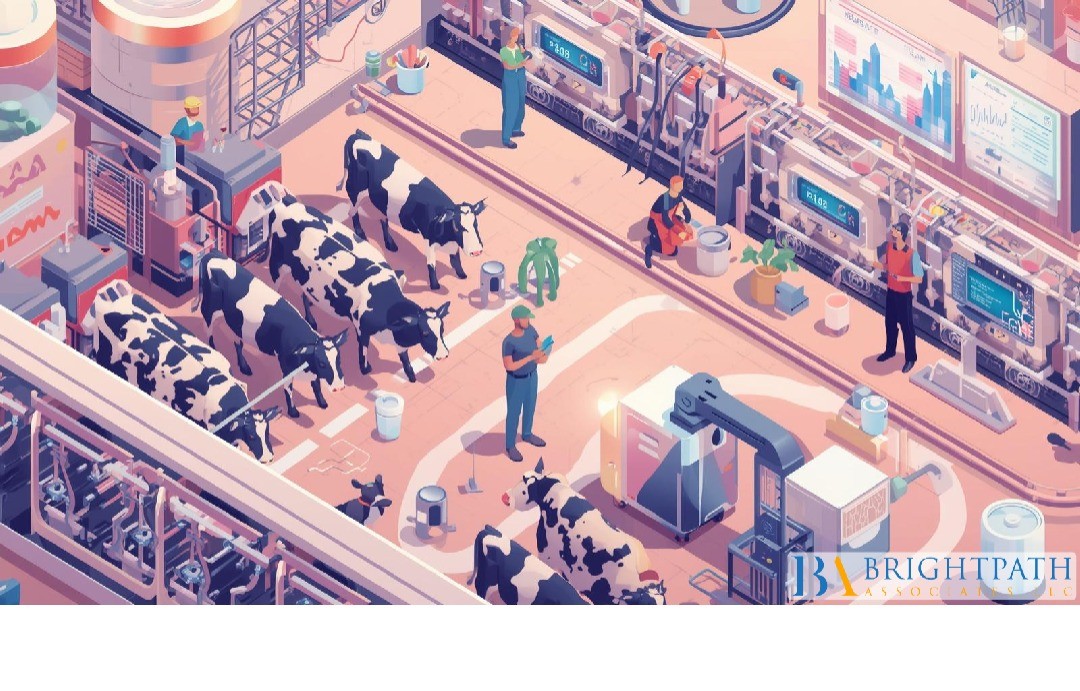
The dairy industry is entering a new era defined by intelligence, automation, and data-driven decision-making. As global demand for dairy products continues to rise, small to mid-sized enterprises across the United States are under increasing pressure to improve efficiency, maintain quality, and remain competitive. Artificial Intelligence (AI) is emerging as a transformative force, reshaping how dairy businesses operate—from farm management to processing and supply chain optimization. For organizations seeking to stay ahead in this evolving landscape, understanding the broader dairy industry provides critical insight into the opportunities and challenges shaping the sector.
AI is no longer a futuristic concept in dairy—it is actively transforming everyday operations. Across the value chain, AI-powered systems are enabling real-time monitoring, predictive analytics, and automation. On dairy farms, AI-driven tools are used to monitor animal health, track milk production, and optimize feeding strategies. These technologies allow farmers to detect early signs of disease, improve herd productivity, and reduce operational costs. According to industry research, AI applications such as sensor-based monitoring and predictive algorithms are improving animal welfare while enhancing productivity and efficiency across dairy operations.
Beyond the farm, AI is revolutionizing dairy processing and manufacturing. Intelligent systems can now optimize production schedules, monitor equipment performance, and ensure consistent product quality. Predictive maintenance, powered by AI, helps identify potential equipment failures before they occur, reducing downtime and minimizing disruptions. In processing plants, AI-driven quality control systems use computer vision and data analytics to detect defects, maintain consistency, and enhance food safety standards. These advancements are enabling dairy companies to move from reactive operations to proactive and predictive manufacturing models.
Another critical area where AI is making a significant impact is supply chain management. The dairy industry has long faced challenges related to perishability, logistics, and demand fluctuations. AI-driven predictive analytics are helping companies forecast demand more accurately, optimize inventory levels, and streamline distribution networks. This results in reduced waste, improved product freshness, and enhanced customer satisfaction. AI-powered logistics systems are also improving delivery efficiency, ensuring that products reach consumers faster and with minimal loss.
In addition to operational efficiency, AI is driving innovation in dairy product development. By analyzing consumer preferences, nutritional trends, and market data, AI enables companies to create products that align with evolving consumer demands. From lactose-free options to high-protein dairy products, AI is helping manufacturers develop personalized offerings that cater to specific dietary needs. Machine learning algorithms can even predict flavor profiles and optimize formulations, reducing the time and cost required to bring new products to market.
Despite its transformative potential, the adoption of AI in the dairy industry is not without challenges. One of the most significant barriers is the lack of skilled talent capable of implementing and managing advanced AI systems. As technology continues to evolve, the demand for professionals with expertise in data analytics, machine learning, and automation is increasing rapidly. This talent gap poses a major challenge for small to mid-sized enterprises that may struggle to attract and retain skilled professionals. Additionally, integrating AI with existing legacy systems can be complex and costly, requiring careful planning and strategic investment.
Cybersecurity is another growing concern as dairy operations become more digitized and interconnected. With the increasing use of sensors, IoT devices, and cloud-based systems, companies must ensure that their data and infrastructure are protected from potential threats. Furthermore, the initial investment required for AI implementation can be substantial, making it a critical decision for organizations with limited resources. However, the long-term benefits of increased efficiency, reduced costs, and improved decision-making often outweigh these initial challenges.
Looking ahead, the future of AI in the dairy industry is centered on creating fully intelligent and autonomous systems. From automated milking systems to AI-driven supply chain optimization, the industry is moving toward a more connected and responsive ecosystem. AI technologies are expected to play a central role in improving sustainability by optimizing resource usage, reducing waste, and enhancing energy efficiency. As environmental concerns continue to grow, these capabilities will become increasingly important for dairy companies aiming to meet regulatory requirements and consumer expectations.
Moreover, AI is enabling dairy businesses to build resilience in an unpredictable global market. By leveraging real-time data and advanced analytics, companies can respond more effectively to disruptions, whether they are caused by supply chain issues, changing consumer preferences, or economic fluctuations. This ability to adapt quickly and make informed decisions is becoming a key differentiator in the industry.
However, the successful implementation of AI is not just about technology—it is about leadership and strategy. Organizations must align their digital transformation initiatives with their overall business goals and invest in the right talent to drive innovation. Leaders play a crucial role in fostering a culture that embraces change, encourages continuous learning, and leverages technology to create value. Without the right leadership and workforce, even the most advanced technologies may fail to deliver their full potential.
For small to mid-sized dairy enterprises, AI represents a powerful opportunity to scale operations, improve efficiency, and gain a competitive edge. Companies that successfully integrate AI into their operations can enhance productivity, reduce costs, and deliver higher-quality products to the market. More importantly, they can position themselves as forward-thinking organizations capable of thriving in a rapidly evolving industry.
To explore a deeper perspective on how AI is transforming dairy operations and decision-making. This resource provides valuable insights into the technologies and strategies shaping the future of the dairy sector.
As the dairy industry continues to evolve, one question remains at the forefront: is your organization ready to embrace AI-driven transformation? The companies that act now will not only improve their operations but also secure their position as leaders in the next generation of dairy innovation.
At BrightPath Associates LLC, we specialize in helping dairy organizations build high-impact teams that drive technological transformation and operational excellence. From AI specialists to executive leadership roles, we connect businesses with the talent needed to turn innovation into measurable growth.
