AI Fire and Smoke Detection System: Detect Early, Respond Faster and Protect Smarter
Author : saranyatechinsights S | Published On : 02 Sep 2026
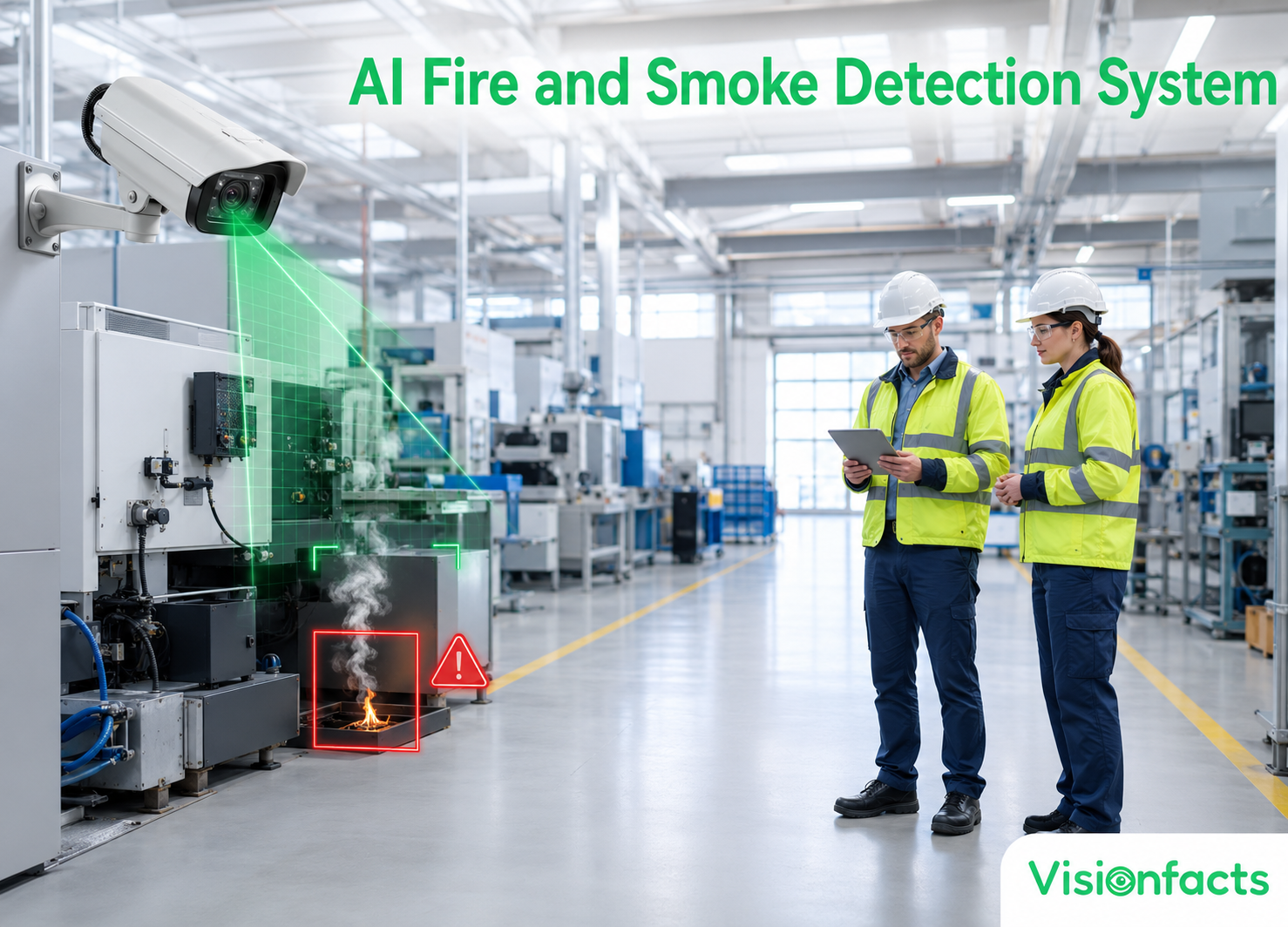
A fire can spread rapidly, hence posing serious risks to both life and property. While conventional alarms are necessary, they might only trigger when smoke or heat is already detected by sensors. This way, an AI fire and smoke detection system ensures an extra measure of safety through surveillance analysis and detection of the visual indications of fire and smoke at the early stages.
What Is an AI Fire and Smoke Detection System?
It is an automated system that uses AI technology and computer vision for analysing CCTV camera feeds. This system has the ability to detect visual cues of fire and smoke incidents.
When an incident is detected, an alert message is triggered which informs the concerned safety/security officials about it. It may include the location of the camera, time of the detection and even a screenshot or video footage.
In this way, any person in charge of verifying the situation can be informed and take action accordingly without relying solely on manual CCTV monitoring.
How Does the AI-Based Fire Detection System Work?
The program communicates with compatible CCTV or IP cameras installed throughout the property. The AI models constantly analyze the video footage to detect any color change, shape change, movement, or texture changes that might suggest a fire or smoke.
For instance, smoke from the machinery or flames around stored items may prompt an alert instantly. Users can define which areas to monitor based on the risks associated with each, such as production floors, warehouses, electrical rooms, and storage spaces for waste products.
Adjusting detection sensitivity and alarm settings is possible depending on the site and related risks.
Key System Features
Some key features of an intelligent fire and smoke detection system may include:
- Real-time detection of flames and smoke
- Immediate notifications through email or dashboard or mobile phone
- Detection using multiple camera streams
- Zoning for custom monitoring and safety guidelines
- Video snippets to check incidents fast
- Incident history tracking
- Integration with surveillance systems
- Safety reporting
All of the above makes it easy for the safety team to locate where the potential incident occurred.
Importance of Early Discovery
The sooner a fire hazard is discovered, the more likely there will be an ability to contain it. Any delay can lead to the spread of flames and smoke to adjacent facilities, devices and workplaces.
The use of AI video analysis allows identifying the smoke and fire on video images before they are detected by traditional sensors. This approach can be especially helpful in vast, open or outdoor environments where the smoke might require more time to reach a ceiling sensor.
It provides an opportunity to take action to analyze the situation, evacuate people, inform emergency services and apply existing safety protocols.
Complementing Existing Smoke Detection Systems
AI-based video analysis should be used in addition to certified smoke alarms, thermal sensors and fire suppression systems but not instead of them. These are different technologies that detect hazardous situations and have advantages depending on certain conditions.
Traditional sensors can detect heat and smoke particles in the air without video analysis of what is happening around. Video analysis can detect the situation visually and assist in verification of an incident.
Combining these methods will enhance the fire safety strategy.
Limiting Dependence on Manually Monitored CCTV
Security personnel may be required to monitor multiple CCTV streams. Detection of a small fire or smoke may be problematic, especially when there are many CCTV cameras installed in a big building.
AI constantly monitors video footage and calls attention to any suspicious activity. Rather than depending on human observers spotting any change, the technology detects potential threats that need to be reviewed by humans.
Human verification is still needed since steam, dust, reflections and other factors might confuse the system and cause false positives of smoke or flames.
Industries to Benefit from This Technology
The technology will be helpful for monitoring of manufacturing facilities’ machines and production lines. The system can detect any hazards around the packaging machines, electrical machinery, storage places and loading areas.
Also, the system is useful for oil and gas facilities, mining companies, energy plants, construction sites, recycling facilities, and chemical processing units. Shopping malls, hospitals, schools, office buildings, and transport facilities can also use the system for security purposes.
The open spaces, such as forests, solar parks, and waste grounds, are not suitable for using traditional indoor detectors.
Selecting the Right Platform
Businesses need to start by recognizing which areas are vulnerable and what cameras are currently installed. Camera clarity, angle, lighting, weather, and visual interference can impact the accuracy of the system's detection.
The system that is chosen needs to provide customisable alarms, easy dashboards and reliable incidents logs. The system needs to be integrated with the organization's existing emergency response process.
Testing the solution under realistic operating conditions is critical. Pilot installation helps users tweak the detection zones and minimize false alarms.
Establishing an Effective Response Protocol
A technological system will not be able to identify all instances that could potentially lead to fires. Companies require a response protocol that will detail who gets notified of the problem, verification and the starting point for emergency procedures.
The staff requires frequent training in fire safety and information on the proper evacuation procedure. Maintenance of the equipment, regular electrical inspection and proper material storage should also be included in the safety program.
The use of intelligent detection, trained personnel and established procedures leads to an improved method of fire prevention and handling.
Conclusion
AI fire and smoke detection system enables companies to identify visual dangers earlier, verify them quicker and respond accordingly. Using video footage analysis on a continual basis and receiving instant notifications, it allows using existing cameras proactively.
Using it along with certified fire alarm systems, suppressions equipment and an effective emergency protocol might help to protect your personnel and facilities from any hazards.
Frequently Asked Questions
1. Is AI capable of detecting both fire and smoke?
Yes, it can be programmed to identify the features of fire and smoke. Performance is influenced by such aspects as the quality of cameras, illumination and visibility.
2. Can it be connected to the current CCTV system?
Many of the solutions are capable of being integrated into compatible CCTV or IP cameras. The placement and resolution of cameras have to be assessed.
3. Does AI-based video detection replace fire alarms?
No, it is only an additional safeguard to the certified smoke and heat detectors and systems of suppression.
4. Can it issue real-time notifications?
Yes, the alerts can be sent through the monitoring dashboard, email, mobile device or even with a photo or video footage attached for the confirmation.
5. Where is it applicable?
The system can be applied in factories, warehouses, construction sites, energy production facilities, recycling centers, offices, hospitals and outdoor industrial sites.
