AI Chatbot for Customer Support: Benefits, Use Cases, and Business Applications
Author : Media post | Published On : 24 Nov 2026
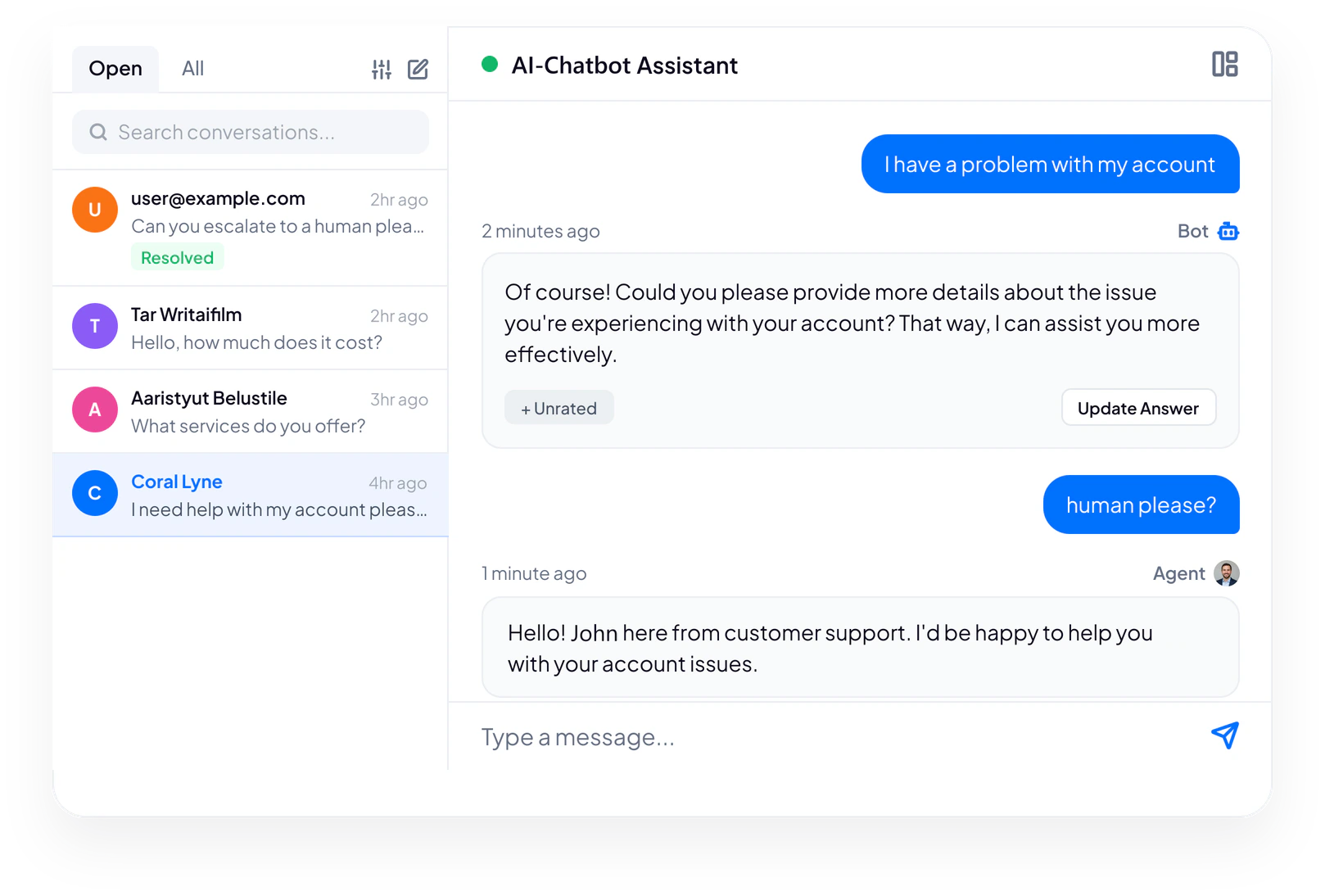
Customers expect quick and helpful answers whenever they interact with a business. Whether they want to check an order, understand a software feature, enquire about a property, or learn about a service, delayed responses can lead to frustration and missed opportunities.
An AI chatbot for customer support helps businesses manage these interactions by answering common questions, sharing relevant information, and guiding visitors toward the right solutions. It can provide assistance around the clock, reduce repetitive support tasks, and help teams focus on more complex customer requests.
From online stores and SaaS companies to healthcare practices, real estate agencies, and travel businesses, AI chatbots can support different customer communication needs. In this article, we explore how customer support chatbots work, their benefits, practical use cases, and how businesses can get started.
What Is an AI Chatbot for Customer Support?
An AI chatbot for customer support is a software application that uses artificial intelligence to understand customer questions and provide relevant responses. Businesses can train these chatbots using information such as website pages, FAQs, product descriptions, service details, and support documents.
Unlike traditional rule-based chatbots that rely on predefined buttons and conversation paths, AI-powered chatbots can understand questions phrased in different ways and respond using their available knowledge.
For example, a customer visiting an online store might ask, "How long does delivery take?" The chatbot can use the store's shipping policy to provide an answer without requiring the customer to search through multiple pages.
Businesses can use customer support chatbots to:
-
Answer frequently asked questions.
-
Share product and service information.
-
Explain policies and procedures.
-
Guide customers through common processes.
-
Collect contact information and enquiries.
-
Direct complex requests to human support agents.
The chatbot's usefulness depends on the quality of its training information, instructions, and integrations.
Why Are Businesses Using AI Chatbots for Customer Support?
Customer support teams often spend considerable time answering similar questions. While these enquiries may be simple, handling them individually can consume valuable time and delay responses to more complicated issues.
AI chatbots help businesses automate some of these routine interactions while keeping human support available when necessary.
1. Provide 24/7 Customer Assistance
Customers don't always visit websites during business hours. They may have questions late at night, during weekends, or while comparing different products and services.
An AI chatbot can answer common questions at any time, helping visitors find information without waiting for an employee to become available.
For example, an online store can use a chatbot to explain shipping policies, while a travel agency can provide general information about holiday packages outside office hours.
2. Respond to Customer Questions Faster
Customers often leave websites when they cannot find the information they need.
A chatbot can provide immediate responses to common questions about pricing, features, services, policies, and procedures. This makes it easier for visitors to find relevant information and continue their customer journey.
3. Reduce Repetitive Support Work
Support teams frequently answer the same questions about delivery times, product specifications, account setup, appointment procedures, and service availability.
A chatbot can handle many of these routine enquiries using approved business information. Employees can then spend more time resolving complex problems and assisting customers who need personal attention.
4. Improve Customer Engagement
A chatbot gives website visitors an easy way to ask questions instead of navigating through several pages.
It can guide visitors toward relevant information, explain available services, and suggest useful next steps. This can make the website experience more convenient and interactive.
5. Capture More Potential Customers
Customer support conversations can also create sales opportunities.
A visitor might ask about a product, request a software demonstration, enquire about a property, or look for a travel package. A chatbot can answer initial questions and collect contact details when the visitor wants a follow-up.
This helps businesses connect customer support with lead generation.
Key Features of an AI Chatbot for Customer Support
When choosing a chatbot platform, businesses should consider features that support their actual customer communication requirements.
AI-Powered Responses
The chatbot should understand natural-language questions and provide relevant answers based on its available knowledge.
This helps customers ask questions in their own words rather than selecting from a limited list of predefined options.
Knowledge Base Training
Businesses should be able to train their chatbot using website content, FAQs, documents, product information, and other approved resources.
A well-maintained knowledge base helps the chatbot provide answers that reflect the business's products, services, and policies.
Human Handoff and Live Chat
Not every question can or should be handled automatically.
A chatbot should provide a way to transfer conversations to a human agent when customers have complicated problems, complaints, or requests requiring personal assistance.
Lead Capture
A chatbot can collect relevant contact details from visitors who want to learn more about a product or service.
Depending on the business, it may collect names, email addresses, phone numbers, requirements, or preferred follow-up times.
Customisation
Businesses should be able to customise chatbot greetings, appearance, and communication style to match their brand.
A consistent tone helps the chatbot feel like a natural part of the website rather than a separate tool.
Analytics and Reporting
Analytics help businesses understand how customers use their chatbot.
Useful information includes conversation volume, frequently asked questions, unanswered queries, customer feedback, and handoff activity. These insights can help teams identify areas where the chatbot needs improvement.
How Different Industries Use AI Chatbots for Customer Support
The applications of customer support chatbots vary depending on the industry, customer expectations, and business processes.
Here are some practical examples for different types of businesses.
AI Chatbot for Ecommerce and D2C Brands
An AI chatbot for ecommerce helps online stores answer shopper questions, share product information, and provide assistance throughout the buying journey.
Online shoppers often need quick answers before completing a purchase. They may want to know about product specifications, delivery options, return policies, or available payment methods.
An ecommerce chatbot can help by:
-
Answering questions about products and their features.
-
Sharing sizing, material, and specification information.
-
Explaining shipping and delivery policies.
-
Providing general information about returns and exchanges.
-
Helping visitors discover relevant products.
-
Collecting enquiries from interested shoppers.
-
Directing order-related problems to customer support.
For example, a customer might ask whether an online store accepts returns on a particular product. The chatbot can explain the store's published return policy and direct the customer to the appropriate page.
With suitable ecommerce integrations, businesses can also connect chatbot conversations to order information or other customer systems.
SaaS Customer Support AI: Helping Software Businesses
Software companies regularly receive questions about product features, account setup, integrations, subscriptions, and troubleshooting.
SaaS customer support AI can help manage these interactions by using product documentation, knowledge bases, tutorials, and frequently asked questions to provide relevant assistance.
Common use cases include:
-
Explaining software features and functionality.
-
Guiding new users through onboarding.
-
Answering questions about subscription plans.
-
Sharing setup instructions and tutorials.
-
Providing answers to common technical questions.
-
Collecting demo requests and sales enquiries.
-
Directing complex technical problems to support specialists.
For example, a new customer might ask how to connect a particular tool to their software account. The chatbot can provide instructions from the company's approved documentation.
If the issue requires account access or technical investigation, it can direct the user to the appropriate support team.
AI Chatbot for Healthcare Practices
An AI chatbot for healthcare practices can help clinics and medical offices manage routine administrative enquiries and improve communication with patients.
Patients often look for information about clinic hours, available services, appointment procedures, insurance information, and preparation instructions.
A healthcare chatbot can assist with:
-
Sharing clinic contact details and operating hours.
-
Providing information about available services.
-
Explaining general appointment procedures.
-
Collecting appointment enquiries.
-
Sharing approved information about insurance a
