AgTech Impact: Role of Technology in Modern Dairy Agriculture
Author : Alyssa Miller | Published On : 27 Mar 2026
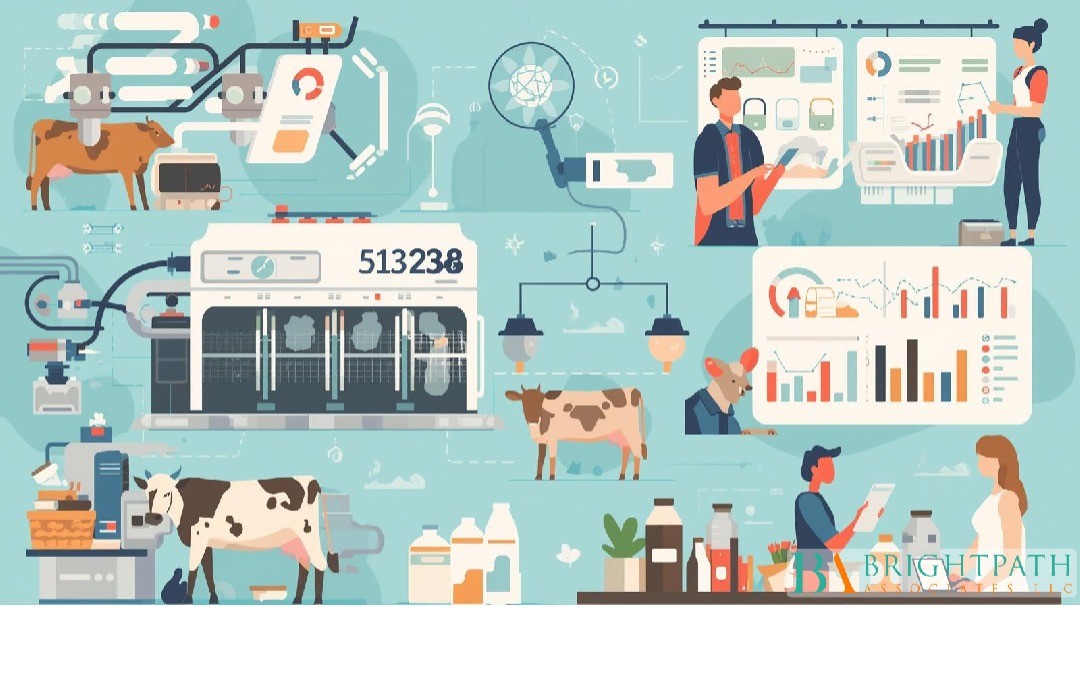
The dairy industry is undergoing a fundamental transformation, driven by the rapid integration of agricultural technology (AgTech) into traditional farming practices. Once characterized by manual processes and experience-based decision-making, modern dairy agriculture is now evolving into a data-driven, highly automated ecosystem. For small to mid-sized dairy enterprises across the United States, this transformation is not just about adopting new tools—it is about redefining operational efficiency, sustainability, and long-term competitiveness. In an increasingly complex and demand-driven market, AgTech has emerged as a critical enabler of growth, resilience, and innovation.
At the core of this transformation is the rise of smart farming technologies. These technologies integrate Internet of Things (IoT) devices, artificial intelligence (AI), robotics, and advanced data analytics to monitor and manage farm operations with unprecedented precision. Smart farming systems collect real-time data on everything from animal health and feed intake to environmental conditions and milk production. This data is then analyzed to generate actionable insights, enabling farmers to make informed decisions that optimize productivity and resource utilization.
In dairy farming specifically, AgTech applications are reshaping herd management and animal welfare. Wearable sensors, smart collars, and automated monitoring systems allow farmers to track the health and behavior of individual cows in real time. These systems can detect early signs of illness, reproductive cycles, and changes in feeding patterns, enabling proactive interventions that improve herd health and productivity. Advanced systems even use machine learning algorithms to predict diseases such as mastitis, reducing treatment costs and minimizing production losses.
Automation is another defining pillar of modern dairy agriculture. Robotic milking systems, for example, have revolutionized one of the most labor-intensive aspects of dairy farming. These systems allow cows to be milked automatically, improving efficiency while also enhancing animal comfort by allowing cows to follow natural milking schedules. Automation extends beyond milking to include feeding systems, waste management, and climate control within dairy facilities. By reducing reliance on manual labor, these technologies address one of the industry’s most pressing challenges—labor shortages—while also improving operational consistency and scalability.
The economic impact of AgTech adoption is equally significant. Smart farming technologies enable dairy producers to achieve economies of scale by optimizing resource allocation and reducing operational inefficiencies. Precision feeding systems, for instance, tailor nutrition to individual animals, improving feed conversion rates and reducing waste. Similarly, energy-efficient systems and automated processes lower overall production costs. Research indicates that integrating smart farming technologies can reduce both marginal and average costs while improving productivity and profitability across dairy operations.
Sustainability is another critical dimension of AgTech’s impact on the dairy industry. As environmental concerns and regulatory pressures intensify, dairy producers are under increasing pressure to reduce their carbon footprint and improve resource efficiency. AgTech solutions play a pivotal role in achieving these goals by enabling more efficient use of water, energy, and feed resources. For example, real-time monitoring systems can optimize water usage and reduce waste, while precision feeding reduces methane emissions by improving digestion efficiency. These advancements not only support environmental sustainability but also enhance brand reputation and market competitiveness in an increasingly eco-conscious consumer landscape.
Beyond operational improvements, AgTech is transforming the strategic landscape of the dairy industry. Digital connectivity is enabling greater transparency and traceability across the supply chain, allowing producers to meet evolving consumer demands for quality and sustainability. Blockchain and cloud-based platforms are being used to track products from farm to table, ensuring compliance with regulatory standards and building trust with consumers and partners. This level of transparency is becoming a key differentiator in a market where buyers increasingly prioritize ethical sourcing and sustainability.
However, the adoption of AgTech is not without challenges. One of the primary barriers for small to mid-sized dairy enterprises is the initial investment required for advanced technologies. Implementing smart systems, upgrading infrastructure, and training personnel can be capital-intensive, particularly for organizations with limited resources. Additionally, integrating new technologies with existing systems can be complex, requiring careful planning and execution. Connectivity issues in rural areas and concerns around data security further complicate the adoption process.
Despite these challenges, the long-term benefits of AgTech far outweigh the initial hurdles. Organizations that invest in technology today are better positioned to adapt to future industry trends, improve operational resilience, and achieve sustainable growth. The key lies in adopting a strategic approach to technology integration—one that aligns with business objectives, operational capabilities, and market demands.
Leadership plays a crucial role in navigating this transformation. The shift toward technology-driven dairy farming requires leaders who can bridge the gap between traditional agricultural practices and modern digital solutions. These leaders must possess not only technical understanding but also strategic vision, enabling them to align technology adoption with broader business goals. For small to mid-sized enterprises, building such leadership capabilities is essential for staying competitive in an increasingly technology-driven industry.
To gain a broader understanding of how technological advancements are shaping the dairy sector and influencing strategic priorities, explore this comprehensive industry. This resource provides valuable insights into the trends and challenges defining the future of dairy agriculture.
For a deeper exploration of how AgTech is transforming dairy operations and driving innovation, you can read the original article here: Technology in Modern Dairy Agriculture. This analysis offers detailed perspectives on how organizations can leverage technology to enhance productivity, sustainability, and profitability.
As the dairy industry continues to evolve, the role of AgTech will only become more prominent. Organizations that embrace this transformation will not only improve operational efficiency but also position themselves as leaders in a rapidly changing market. The integration of technology into dairy farming is no longer optional—it is a strategic necessity that defines future success.
Call to Action: How is your organization leveraging AgTech to transform dairy operations? Are you facing challenges in adopting new technologies, or are you already seeing measurable benefits from digital innovation? What opportunities do you see emerging in the next 3–5 years? Share your insights in the comments—we’d love to hear your perspective. And if you’re looking to strengthen your leadership team to navigate this transformation, connect with BrightPath Associates LLC to discover how the right talent can drive innovation and sustainable growth in your organization.
