Agribusiness Transformation: Navigating Disruption and Growth
Author : Alex Turner | Published On : 26 Mar 2026
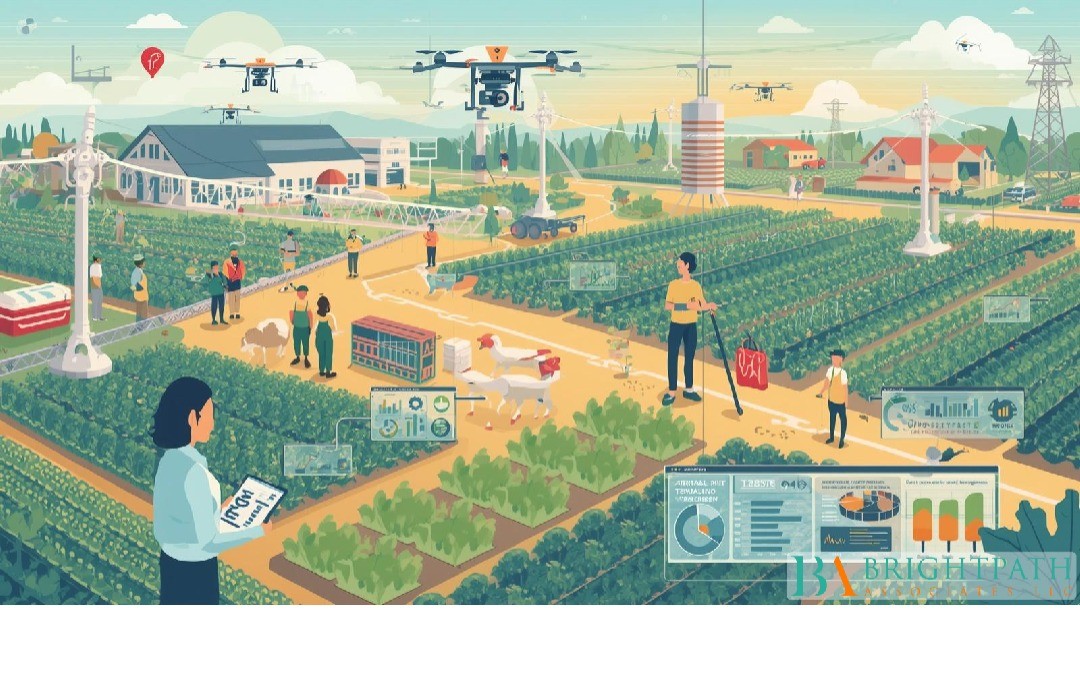
The global agribusiness landscape is undergoing one of the most significant transformations in its history, driven by a convergence of technological innovation, shifting consumer demands, climate challenges, and evolving economic pressures. For decades, agriculture was perceived as a traditional, slow-moving sector rooted in legacy practices. Today, that perception is rapidly changing. Agribusiness is becoming a dynamic, data-driven, and innovation-led industry where disruption is not just inevitable—it is essential for survival and growth. For C-suite leaders and decision-makers across the United States, the question is no longer whether transformation will occur, but how quickly their organizations can adapt to stay competitive in this rapidly evolving ecosystem.
At the heart of this transformation lies the concept of agricultural modernization. As research highlights, successful agricultural transformation has historically been a key driver of economic development, improving productivity, increasing rural incomes, and expanding market opportunities. This shift is characterized by the integration of advanced technologies, improved infrastructure, and evolving business models that move agriculture beyond subsistence and into a highly efficient, market-oriented system. However, today’s transformation is far more complex than previous waves, as it must address not only productivity but also sustainability, resilience, and global supply chain dynamics.
One of the most significant drivers of disruption in agribusiness is the rapid advancement of technology. Digital tools, precision agriculture, artificial intelligence, and automation are redefining how food is produced, processed, and distributed. Precision agriculture, for instance, enables farmers to use data analytics and real-time monitoring to optimize inputs such as water, fertilizers, and pesticides, significantly improving yields while reducing waste. At the same time, emerging technologies such as IoT-enabled sensors, robotics, and satellite communication systems are transforming farms into highly connected ecosystems where decisions are driven by data rather than intuition. These advancements are not only increasing efficiency but also helping organizations respond more effectively to environmental challenges such as climate variability and resource scarcity.
Sustainability has emerged as another critical pillar of agribusiness transformation. Modern agricultural practices are increasingly focused on reducing environmental impact while maintaining or improving productivity. Techniques such as regenerative farming, renewable energy integration, and circular economy models are gaining traction as organizations seek to balance profitability with environmental responsibility. This shift is being driven not only by regulatory pressures but also by changing consumer expectations. Today’s consumers are more conscious of where their food comes from, how it is produced, and its impact on the environment. As a result, companies that prioritize sustainability are gaining a competitive advantage in both domestic and global markets.
In addition to technology and sustainability, shifting consumer preferences are playing a crucial role in reshaping the agribusiness landscape. Demand for plant-based foods, organic products, and sustainably sourced ingredients is growing rapidly, forcing companies to rethink their production and supply chain strategies. At the same time, globalization and digital marketplaces are transforming how agricultural products are traded, creating new opportunities for growth while also increasing competition. These changes are driving greater transparency across the value chain, enabling buyers and sellers to interact more directly and efficiently.
Despite these opportunities, agribusiness transformation is not without its challenges. Market volatility, labor shortages, climate risks, and capital constraints continue to create uncertainty for organizations across the sector. Recent trends indicate that while investment in agricultural technology is growing, access to capital remains uneven, particularly for smaller enterprises. At the same time, the increasing complexity of global supply chains requires organizations to be more agile and resilient than ever before. These challenges highlight the need for strategic leadership that can navigate uncertainty while capitalizing on emerging opportunities.
Leadership, in fact, is one of the most critical factors determining success in this era of transformation. Agribusiness is no longer just about farming—it is about managing a complex ecosystem that includes technology, supply chains, regulatory frameworks, and market dynamics. Leaders must be able to integrate these elements into a cohesive strategy that drives growth and innovation. This requires a unique combination of skills, including strategic thinking, technological understanding, and the ability to manage change effectively. Organizations that invest in strong leadership are better positioned to adapt to disruption, implement new technologies, and build sustainable business models.
For small to mid-sized enterprises, the stakes are particularly high. These organizations often operate with limited resources and face greater exposure to market fluctuations and operational risks. However, they also have a significant advantage: agility. Unlike larger corporations, SMEs can adapt more quickly to changing conditions, implement innovative solutions, and capitalize on niche market opportunities. By embracing transformation and building strong leadership teams, these companies can position themselves as competitive players in the evolving agribusiness landscape. To explore how broader trends are shaping the farming industry.
Another key aspect of agribusiness transformation is the growing importance of data and connectivity. The integration of digital technologies across the agricultural value chain is creating new levels of transparency and efficiency. From farm-level decision-making to global trade, data is becoming a critical asset that drives performance and innovation. This digital transformation is enabling organizations to optimize operations, reduce costs, and improve decision-making processes. However, it also requires significant investment in infrastructure, training, and cybersecurity, making it essential for organizations to adopt a strategic approach to technology adoption.
As the industry continues to evolve, the role of talent becomes increasingly important. The demand for professionals who can navigate the complexities of modern agribusiness is growing rapidly. Organizations need leaders who can bridge the gap between traditional farming practices and advanced technologies, ensuring that innovation is effectively integrated into operations. This is where strategic executive recruitment plays a vital role. Companies that invest in the right talent are better equipped to drive transformation, manage risks, and achieve long-term growth. For a deeper understanding of how disruption and growth are shaping agribusiness, you can explore the original article here: Agribusiness Transformation Growth.
Looking ahead, the future of agribusiness will be defined by its ability to adapt to a rapidly changing environment. The convergence of technology, sustainability, and market dynamics is creating both challenges and opportunities that will shape the industry for years to come. Organizations that embrace innovation, invest in leadership, and align their strategies with evolving market demands will be well-positioned to succeed. Those that fail to adapt risk being left behind in an increasingly competitive and complex landscape.
The transformation of agribusiness is not just a trend—it is a fundamental shift that is redefining how food is produced, distributed, and consumed. For industry leaders, the time to act is now. How is your organization navigating this transformation? Are you leveraging technology and sustainability as drivers of growth, or are you struggling to keep pace with change? What opportunities do you see emerging in the next three to five years? Share your insights and join the conversation. And if you are looking to strengthen your leadership team to navigate disruption and unlock new growth opportunities, BrightPath Associates LLC is here to help you find the talent that will drive your success.
