Affordable Home Makeover Ideas Without Renovation: A Practical 2026 India Guide
Author : Abbott Fab | Published On : 12 Aug 2026
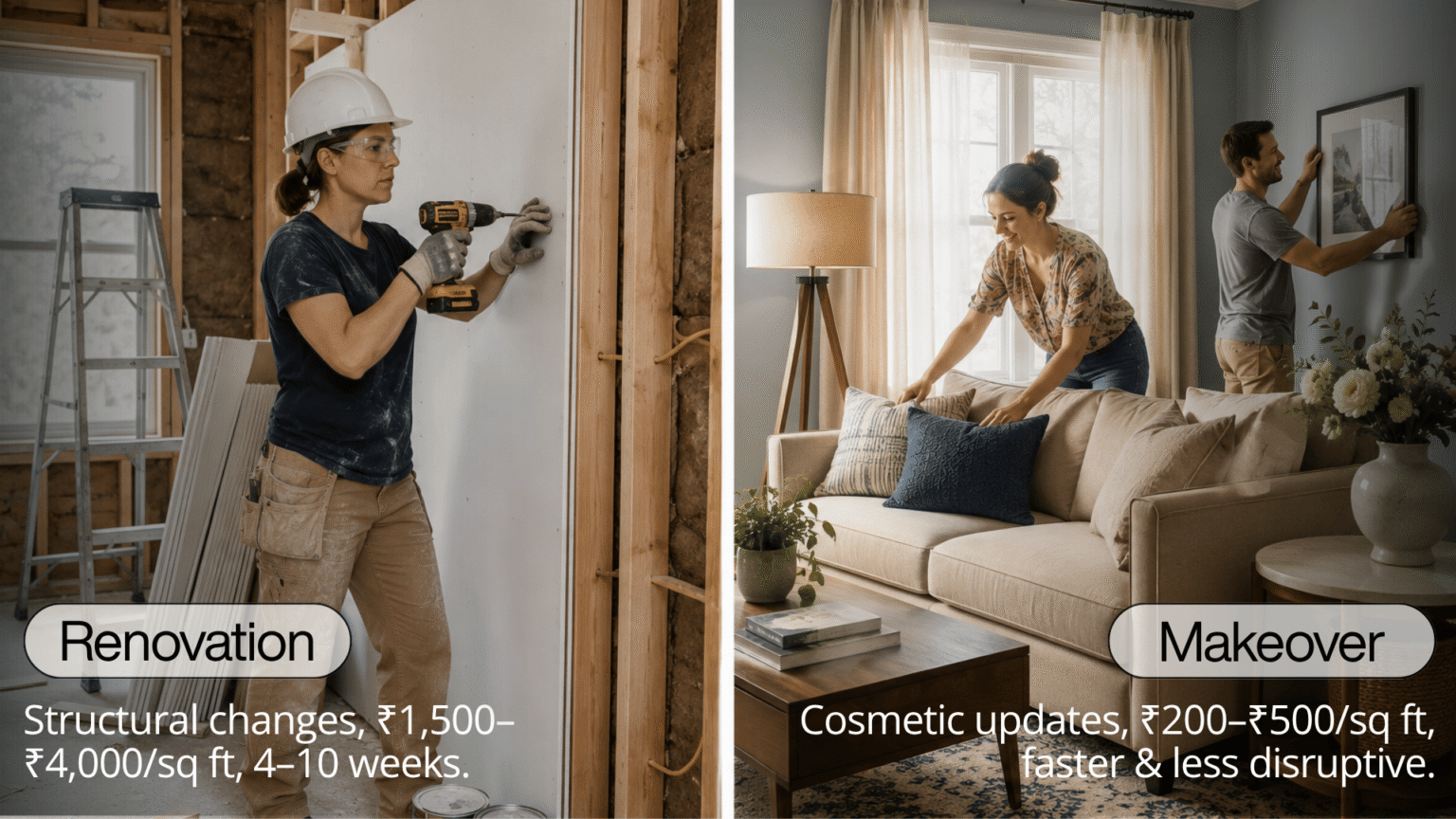
Your home does not have to undergo a major renovation to feel fresh and updated. Often, the structure is perfectly fine, but everyday surfaces such as sofa fabric, curtains, walls, lighting, and décor have simply started to look tired. With the right affordable home makeover ideas without renovation, you can change the appearance of your home while keeping construction, labour, and disruption to a minimum. The guide estimates that a cosmetic makeover for a 1,000 sq ft Indian home can cost around ₹40,000 to ₹1.8 lakh, compared with approximately ₹12 to ₹20 lakh for a mid-range renovation.
The biggest advantage is that a makeover works with what you already own. Most updates can be completed room by room, and many can be finished over a weekend without moving out or undertaking structural work.
Makeover or Renovation: Know What You Really Need
Renovation and makeover are often treated as interchangeable terms, but they involve very different levels of work.
A renovation changes the structure or essential systems of a property. It may involve replacing floors, moving plumbing, rewiring electrical circuits, or rebuilding a kitchen. The guide estimates that a full renovation in India can cost approximately ₹1,500 to ₹4,000 per square foot, with a 1,000 sq ft flat potentially exceeding ₹12 to ₹20 lakh. The process can also take four to ten weeks.
A makeover is much more focused. It changes what your eyes notice first without touching the structure. Furniture fabric, curtains, lighting, wall colour, rugs, cushions, plants, and storage can all contribute to a new look.
This is why a home that feels outdated does not automatically need a renovation. Sometimes the floor is fine, the walls are fine, and the furniture is still useful. It is simply the visible surfaces that need attention.
Start With Your Existing Sofa
Replacing a sofa can quickly increase the cost of a home makeover. If the frame is still strong and you like the shape, reupholstery can be a more practical solution.
According to the guide, reupholstering a standard three-seater can cost approximately ₹8,000 to ₹15,000 for fabric, while full leather recovery may cost around ₹20,000 to ₹40,000. A comparable new sofa can cost approximately ₹35,000 to ₹80,000.
Before spending money on new fabric, test the frame. Press firmly on the seat and arms. A solid hardwood frame should feel firm and should not noticeably creak or flex. If the sofa feels spongy or shows signs of structural weakness, a slipcover or eventual replacement may be more sensible.
A well-fitted slipcover is another quick option. It can change the appearance of a sofa or armchair without waiting for a full upholstery job.
The same approach can work for dining chairs, headboards, and wooden stools. Even a worn dining-chair seat can often be recovered with a relatively small amount of fabric.
Choose Upholstery Fabric for Durability
A makeover can lose its value quickly if the fabric is chosen only for its appearance.
For woven upholstery, the Martindale rub count is an important durability indicator. The guide recommends a rating of at least 15,000 rubs for a sofa used every day.
This simple check can help you avoid choosing a material that looks attractive on the roll but wears out quickly once it is exposed to regular seating.
The same principle applies to rexine, although the material is evaluated differently. The guide recommends checking the PVC versus PU grade. PU rexine generally remains flexible for longer, while cheaper PVC can become stiff and more vulnerable to cracking under heat and UV exposure.
Before buying, ask the seller for the relevant specification. If you are buying upholstery fabric, check the Martindale rating. For rexine, ask about the PVC or PU grade.
Change the Curtains for a Fast Transformation
If you want a visible change without spending heavily, curtains are one of the best places to begin.
Old, heavy curtains can make a room feel darker and smaller. A better choice of fabric, weight, and length can make the same windows appear taller and the room noticeably brighter.
Sheer linen blends can suit rooms where natural light is important. Blackout or heavier fabrics can be more appropriate for bedrooms, west-facing rooms, or spaces exposed to strong afternoon sunlight. In hotter regions, a triple-layered blackout weave can also help reduce heat gain.
Do not stop with the curtains. Bedspreads, throws, cushion covers, and rugs can all help change the colour story of a room without repainting it. The guide recommends updating several textile elements together so they reinforce the same palette.
Refresh the Walls Without Structural Work
Walls are one of the largest surfaces in a room, which makes them an effective place for a budget-friendly update.
Instead of repainting every wall, consider an accent wall. A bold or contrasting shade can introduce depth while allowing the remaining walls to stay neutral. The guide places interior painting at approximately ₹30 to ₹100 per square foot, including labour.
For a rental property, removable wallpaper or wall panels can offer a more flexible solution.
You can also introduce fabric through wall panels. A fabric-wrapped panel can become a decorative feature or headboard without changing the underlying wall structure.
Layer Your Lighting
Lighting is another easy way to change the mood of a room.
Instead of depending entirely on a single ceiling light, use a combination of floor and table lamps. Layered lighting creates different zones of brightness and can make living rooms and bedrooms feel warmer.
The guide estimates that layered lighting can cost approximately ₹1,500 to ₹5,000 and can be completed within a few hours.
The benefit is that you can experiment with placement without undertaking major electrical work.
Add Rugs and Change Cushion Covers
Small textile changes can have a surprisingly strong effect.
A rug can visually define a seating area and add warmth underfoot. Layering a smaller patterned rug over a larger plain rug can introduce additional depth.
Cushion covers are another inexpensive way to refresh a sofa. A set of four to six covers can be changed seasonally, allowing the same sofa to take on a different appearance without any structural change. Mixing textures such as velvet, woven fabric, jute, and textured materials can make the room feel more thoughtfully styled.
The guide estimates approximately ₹1,200 to ₹4,500 for a rugs and cushion-cover refresh.
Declutter and Improve Storage
Sometimes a room feels outdated simply because too many things have accumulated.
Decluttering can make existing furniture and décor look better without requiring any new purchases. Open shelving, under-bed storage, wall-mounted hooks, and racks can help clear surfaces and keep everyday items organised.
A useful rule is simple: whenever you bring in a new décor item, remove one item that no longer earns its place.
The guide estimates approximately ₹500 to ₹3,000 for decluttering and smart storage, making it one of the more affordable improvements.
Use Wall Art and Mirrors
A blank wall can become a focal point without requiring expensive artwork.
A gallery arrangement of framed photographs, artwork, and small objects can make a room feel more personal. Mixing frame sizes and finishes adds character, while keeping consistent spacing prevents the arrangement from looking chaotic.
Mirrors are particularly useful in smaller spaces. Placing a large mirror opposite a window can reflect daylight into the room and make the area appear brighter and more open.
Bring in Plants and Natural Materials
Greenery is an inexpensive way to soften an interior.
A group of small pots near a window, a trailing plant on a shelf, or a large plant in an unused corner can introduce colour and soften the harder lines of furniture. The guide recommends low-maintenance choices such as snake plants, pothos, and ZZ plants.
Natural materials can reinforce the same feeling. A jute rug, rattan basket, or wooden tray can add warmth and texture without requiring installation.
Give Old Items a Second Life
Before buying new furniture or décor, check what is already sitting in storage.
An old wooden ladder can become a blanket rack, while a worn side table can be refreshed with paint and new hardware. A simple wooden trunk can also be converted into a coffee table with the right treatment.
Fabric leftovers are particularly useful. Scraps from upholstery or curtain projects can become lampshade covers, drawer liners, or coasters.
These small DIY projects keep useful materials out of the waste pile while giving your home pieces that feel more personal.
Room-by-Room Makeover Ideas
For the living room, start with the sofa and curtains. Add a floor lamp and layer two rugs to change several major surfaces without permanently rearranging the furniture.
For the bedroom, combine a new bedspread and cushion set with warm bedside lighting. A statement headboard wall or fabric-wrapped panel can complete the transformation.
For the kitchen, focus on small visual improvements. New cabinet handles, painted cabinet fronts, and open shelving can refresh the room without replacing the entire kitchen.
For the bathroom, coordinated towels, a fresh shower curtain, a small plant, and better lighting around the mirror can create a noticeable improvement at a relatively low cost.
Plan Before You Buy
A budget makeover works best when you make the design decisions before you start shopping.
Begin with a palette of two or three colours. Check every new purchase against those colours so that the room feels coordinated rather than filled with unrelated pieces.
Measure your sofa and windows before ordering fabric. A typical three-seater needs approximately 12 to 15 metres of 54-inch fabric, with an additional 15% to 20% when a patterned repeat needs to be aligned.
If you are updating several pieces, buying fabric together can also be more economical than purchasing small quantities separately.
For a single room, the guide estimates that a refresh involving curtains, cushions, a lamp, and a slipcover or rug can typically fall between ₹8,000 and ₹25,000, depending on the room size and fabric quality.
Final Thoughts
A home makeover is not about changing everything. It is about identifying what has actually become tired and updating those elements first.
The guide makes a strong case for starting with fabric because curtains and sofa upholstery cover some of the largest visible surfaces in a room. These two changes can therefore produce a major visual transformation without structural work.
But affordability should never mean choosing materials without checking their quality. A good sofa frame paired with durable upholstery can continue looking attractive for years. The wrong fabric may pill, fade, or deteriorate within months, removing the savings you were trying to achieve.
The smartest approach is to work with what you already have, choose materials according to actual use, coordinate your colours and textures, and make changes gradually. With a few well-planned updates, an ordinary room can feel noticeably fresher without the cost, dust, and disruption of a full renovation.
