Advanced Water Utility Management: Best Practices and Innovations
Author : Lori Spatt | Published On : 31 Mar 2026
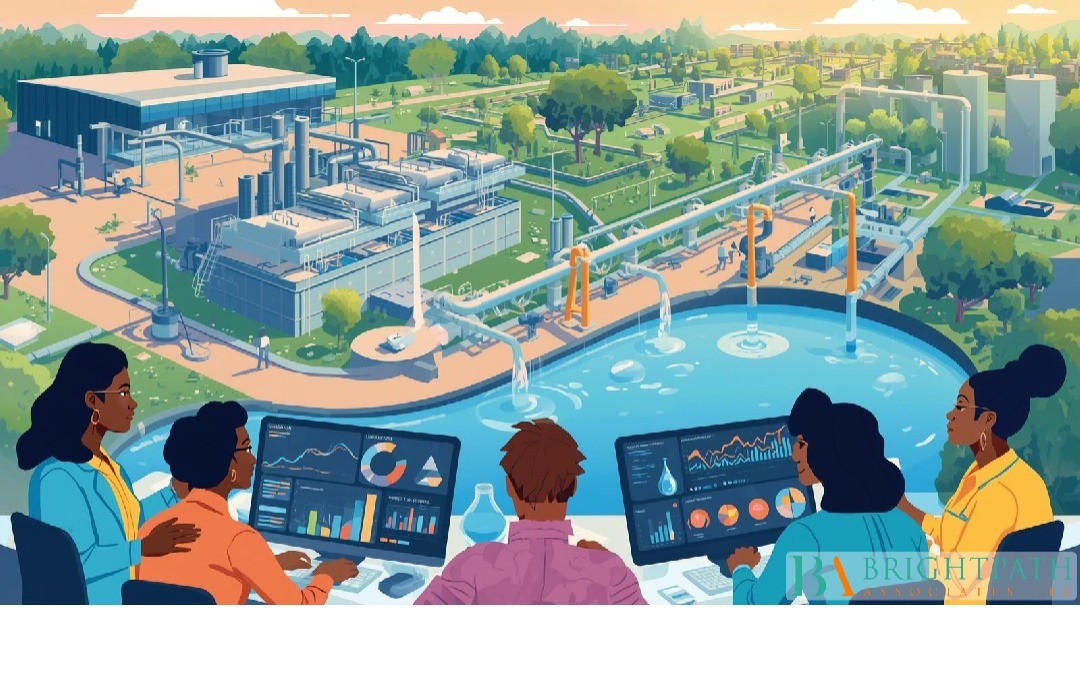
The utilities industry is undergoing a significant transformation, and nowhere is this more evident than in water utility management. As global demand for clean water rises alongside increasing regulatory pressures, aging infrastructure, and climate-related challenges, utilities are being forced to rethink how they operate. What was once a largely reactive, maintenance-driven function is now evolving into a strategic, technology-enabled discipline that plays a critical role in long-term sustainability and operational efficiency. For leaders in small to mid-sized utilities organizations across the United States, adopting advanced water utility management practices is no longer optional—it is essential for survival and growth.
At its core, water utility management encompasses the planning, treatment, distribution, and monitoring of water resources to ensure reliable service delivery. However, modern challenges such as infrastructure deterioration, rising operational costs, and workforce shortages are pushing utilities toward more sophisticated approaches. According to industry insights, utilities today must balance technical performance, financial viability, and customer satisfaction while navigating increasingly complex operational environments. This has led to the emergence of best practices that emphasize integration, innovation, and long-term strategic planning.
One of the most impactful shifts in water utility management is the transition from reactive to proactive operations. Traditionally, utilities responded to issues such as leaks, equipment failures, or supply disruptions after they occurred. Today, with the integration of advanced technologies such as IoT sensors, artificial intelligence, and predictive analytics, utilities can monitor systems in real time and anticipate potential failures before they happen. These smart water technologies enable early detection of leaks, optimization of water distribution, and improved asset management, significantly reducing operational risks and costs. This proactive approach not only enhances efficiency but also ensures more reliable service delivery to communities.
Another critical best practice is the adoption of integrated water resource management strategies. Rather than treating water supply, wastewater, and environmental impact as separate functions, leading utilities are embracing holistic frameworks that consider the entire water lifecycle. This approach allows organizations to optimize resource allocation, improve sustainability outcomes, and align operational goals with environmental priorities. Integrated strategies also help utilities respond more effectively to challenges such as water scarcity and climate variability, which are becoming increasingly prevalent in many regions.
Innovation in water treatment technologies is also playing a pivotal role in advancing utility management. Traditional treatment methods are being supplemented—or in some cases replaced—by advanced processes such as oxidation technologies, which are capable of removing complex pollutants more efficiently. These innovations are enabling utilities to meet stricter regulatory standards while improving water quality and reducing environmental impact. As sustainability becomes a central focus for both regulators and stakeholders, the adoption of such advanced treatment solutions is expected to accelerate across the industry.
Equally important is the role of data in modern water utility management. The increasing availability of real-time data from sensors, meters, and monitoring systems is transforming how utilities make decisions. Advanced data analytics platforms allow organizations to analyze consumption patterns, predict demand, and optimize resource allocation. This data-driven approach not only improves operational efficiency but also enhances transparency and accountability, which are critical for building trust with stakeholders and regulators. Moreover, as digital transformation continues to reshape the utilities sector, the ability to leverage data effectively is becoming a key differentiator for organizations seeking to maintain a competitive edge.
However, while technology and innovation are driving progress, they also introduce new challenges—particularly in the area of workforce and leadership. The shift toward digital and data-driven operations requires a new generation of professionals with expertise in both traditional utility management and advanced technologies. Unfortunately, many utilities are facing a significant talent gap, as experienced workers retire and the demand for specialized skills continues to grow. This creates an urgent need for organizations to rethink their talent acquisition strategies and invest in building future-ready leadership teams.
For utilities looking to stay ahead of the curve, strategic talent acquisition is no longer just a support function—it is a core business priority. Organizations must identify leaders who can navigate complex regulatory environments, drive digital transformation initiatives, and implement innovative solutions that enhance operational performance. At BrightPath Associates LLC, we specialize in helping small to mid-sized utilities companies connect with top-tier talent capable of driving this transformation. By aligning recruitment strategies with industry trends, organizations can ensure they have the leadership required to succeed in an increasingly dynamic environment. To explore how the utilities sector is evolving and how leadership plays a critical role, visit the Utilities Industry page.
In addition to talent challenges, utilities must also address financial and operational barriers associated with adopting new technologies. High initial investment costs, integration complexities, and cybersecurity concerns can pose significant hurdles. However, the long-term benefits of advanced water utility management far outweigh these challenges. Organizations that invest in innovation can achieve substantial cost savings through improved efficiency, reduced water loss, and optimized asset management. Furthermore, they are better positioned to comply with regulatory requirements and meet the growing expectations of customers and stakeholders.
Looking ahead, the future of water utility management will be defined by the continued convergence of technology, sustainability, and strategic leadership. Emerging trends such as smart water networks, digital twins, and AI-driven decision-making systems will further enhance the capabilities of utilities, enabling them to operate more efficiently and respond more effectively to changing conditions. As these innovations become more accessible, even small to mid-sized organizations will have the opportunity to leverage advanced solutions to improve their operations and drive growth.
For decision-makers, the key to success lies in adopting a proactive and forward-thinking approach. This means not only investing in the right technologies but also building the organizational capabilities needed to support them. It requires a commitment to continuous improvement, collaboration, and innovation, as well as a willingness to challenge traditional ways of thinking. Ultimately, the utilities that embrace these principles will be the ones that lead the industry into the future.
To gain deeper insights into the strategies and innovations shaping this transformation, you can explore the full original article here: Advanced Water Utility Management.
As the water utilities landscape continues to evolve, one critical question remains: is your organization prepared to adapt and lead in this new era of advanced utility management? The opportunity to transform operations, enhance sustainability, and drive long-term value has never been greater. Now is the time to act
