Advanced Materials: Shaping Future of Construction Innovation
Author : Shawn Fisher | Published On : 04 May 2026
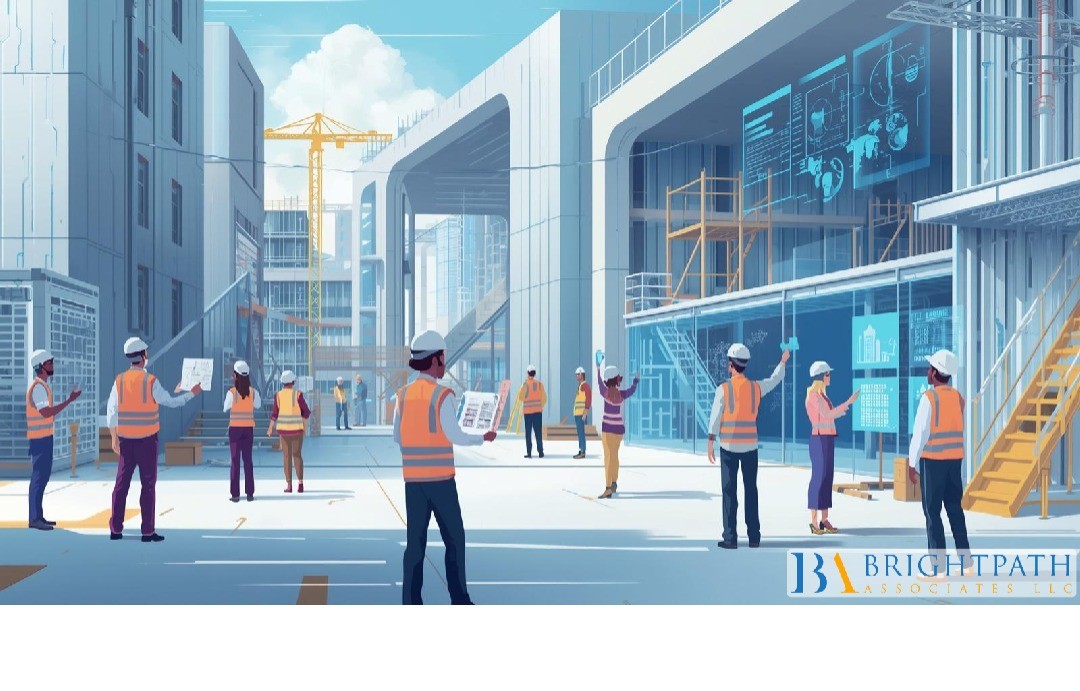
The construction industry is undergoing a profound transformation, driven by the rapid evolution of advanced materials that are redefining how infrastructure is designed, built, and maintained. For small to mid-sized companies in the building materials sector, this shift presents both a challenge and a significant opportunity. Success is no longer determined solely by cost efficiency or scale, but by the ability to innovate, adopt new technologies, and align material strategies with long-term sustainability and performance goals. To gain deeper insights into this transformation, you can explore the original analysis here: Shaping Future of Construction Innovation.
At the heart of this evolution is the emergence of materials engineered to outperform traditional options such as standard concrete and steel. Advanced materials—including fiber-reinforced polymers, ultra-high-performance concrete, and smart materials—offer superior strength, durability, and functionality. These materials are designed to resist corrosion, withstand extreme environmental conditions, and even self-repair in response to structural damage, significantly extending the lifespan of infrastructure. This shift is particularly important as global infrastructure demands increase and organizations face mounting pressure to deliver projects that are both cost-effective and resilient.
One of the most transformative innovations in this space is self-healing concrete, which incorporates bacteria or chemical agents that activate when cracks form, automatically repairing structural damage. This not only reduces maintenance costs but also enhances safety and longevity. Similarly, graphene-enhanced materials are pushing the boundaries of strength and conductivity, enabling the development of lighter yet more durable construction components. These advancements are not incremental—they represent a fundamental rethinking of how materials contribute to structural performance and lifecycle efficiency.
Sustainability has emerged as a dominant driver behind the adoption of advanced materials. Traditional construction methods are increasingly being scrutinized for their environmental impact, prompting a shift toward eco-friendly alternatives such as geopolymers, recycled materials, and low-carbon binders. These materials reduce carbon emissions while maintaining high performance standards, aligning with global sustainability goals and regulatory requirements. At the same time, innovations such as recycled plastics and industrial byproducts are transforming waste into valuable construction inputs, creating a circular economy within the industry.
In addition to sustainability, efficiency is a key factor driving the adoption of advanced materials. Modern construction projects demand faster timelines, reduced labor costs, and improved precision. Advanced materials enable these outcomes by simplifying installation processes, reducing the need for manual labor, and minimizing downtime. For example, lightweight composites and modular construction components allow for quicker assembly without compromising structural integrity, leading to significant cost savings in large-scale projects. As construction projects become more complex, the ability to deliver efficiency without sacrificing quality is becoming a critical competitive advantage.
However, the transition to advanced materials is not without its challenges. High costs, limited manufacturing scalability, and the need for specialized expertise can create barriers to adoption, particularly for smaller companies. Additionally, integrating new materials into existing construction frameworks requires careful planning and compliance with regulatory standards. These challenges highlight the importance of strategic decision-making and leadership in navigating the complexities of material innovation.
This is where leadership becomes a defining factor in success. The adoption of advanced materials requires executives who can bridge the gap between technical innovation and business strategy. Leaders must be capable of evaluating emerging technologies, managing risk, and aligning material investments with long-term organizational goals. For small to mid-sized companies, having the right leadership in place can mean the difference between staying competitive and falling behind in an increasingly innovation-driven market.
Organizations like BrightPath Associates LLC play a critical role in addressing this challenge by connecting companies with leadership talent that understands both the technical and strategic dimensions of the building materials industry. By focusing on executive search and recruitment tailored to this sector, they enable companies to build teams capable of driving innovation, managing complexity, and achieving sustainable growth.
For small to mid-sized enterprises, the rise of advanced materials presents a unique opportunity to differentiate themselves in a competitive market. By focusing on niche innovations such as smart materials, sustainable composites, and high-performance construction solutions, these companies can establish themselves as leaders in specialized segments. Agility becomes a key advantage, allowing smaller firms to adopt new technologies more quickly than larger organizations burdened by legacy systems.
Collaboration is another essential component of success in this evolving landscape. Partnerships between material manufacturers, construction firms, research institutions, and technology providers are accelerating innovation and enabling the development of more advanced solutions. These collaborations facilitate knowledge sharing, reduce development costs, and speed up the commercialization of new materials. As the industry continues to evolve, companies that prioritize collaboration will be better positioned to capitalize on emerging trends and opportunities.
Looking ahead, the future of construction will be defined by the continued integration of advanced materials with digital technologies. Smart materials embedded with sensors will enable real-time monitoring of structural health, while AI-driven design tools will optimize material usage and performance. The rise of modular construction, 3D printing, and sustainable building practices will further transform the industry, creating new possibilities for efficiency and innovation. These trends underscore the importance of staying ahead of technological advancements and continuously adapting to changing market dynamics.
Ultimately, the organizations that succeed in this new era of construction innovation will be those that embrace change, invest in advanced materials, and build strong leadership teams capable of driving transformation. The question is no longer whether advanced materials will shape the future of construction—it is how quickly companies can adapt to leverage their full potential.
As you evaluate your organization’s strategy, consider this: Are you leveraging the latest material innovations to stay competitive? Are you prepared to navigate the complexities of this rapidly evolving industry? And most importantly, do you have the leadership in place to turn innovation into measurable business outcomes?
If you’re looking to strengthen your leadership team and position your organization at the forefront of building materials innovation, now is the time to act. How is your organization preparing for the future of construction? Let’s start the conversation.
