Adapting Your Workforce Roadmap to Generation Clash
Author : Kabir Pathan | Published On : 14 Oct 2026
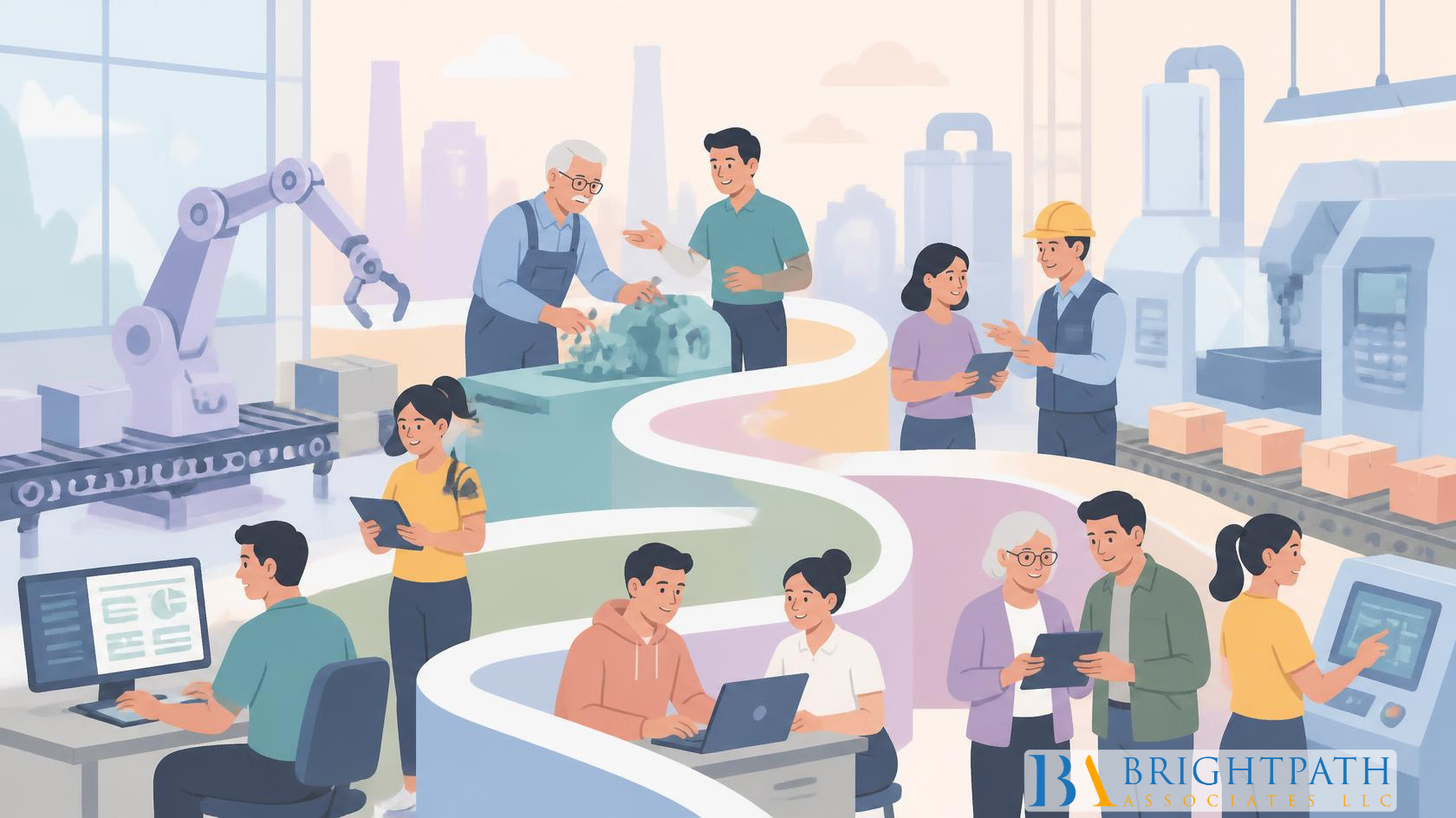
Today's workplace brings together professionals with different experiences, communication preferences, career expectations, and approaches to technology. For small and mid-sized businesses, managing these differences is becoming an important part of workforce planning. The challenge is particularly significant in manufacturing-driven sectors, where experienced employees possess valuable operational knowledge while younger professionals bring fresh perspectives and digital capabilities.
The paper and forest products industry illustrates this challenge clearly. From pulp and paper mills to timber operations, packaging manufacturers, and wood product facilities, businesses depend on technical expertise, operational consistency, safety awareness, and continuous innovation. When employees across generations struggle to collaborate, companies risk losing institutional knowledge, weakening engagement, and slowing modernization.
However, generational diversity does not have to create workplace conflict. With thoughtful leadership, structured knowledge sharing, and adaptable workforce strategies, companies can transform differences into a competitive advantage.
Understanding the Changing Workforce Landscape
Many organizations employ Baby Boomers, Generation X, Millennials, and Generation Z simultaneously. Although these labels can provide a broad starting point for understanding workforce experiences, they should not become assumptions about individual employees. Personal values, professional backgrounds, education, and job responsibilities often influence workplace behavior as much as age does.
Experienced employees may prefer established procedures because they have seen how consistent processes protect quality and safety. Younger professionals may question existing methods because they recognize opportunities for automation, digital reporting, or more efficient collaboration. Both perspectives can be valuable when discussions focus on business outcomes rather than personal preferences.
For example, a veteran production supervisor may understand how seasonal conditions affect raw material quality, while a younger process engineer may identify patterns through digital production data. Combining these insights can help a company improve scheduling, reduce waste, and strengthen decision-making.
Business leaders should therefore approach workforce differences with curiosity rather than judgment. The objective is not to make every employee work in the same way but to establish shared expectations around productivity, accountability, communication, and respect.
Why Generational Collaboration Matters in Paper and Forest Products
The paper and forest products industry faces a complex combination of workforce and operational pressures. Companies must maintain production efficiency, manage equipment reliability, meet environmental requirements, and respond to evolving customer expectations. At the same time, many employers must prepare for retirements, develop future supervisors, and recruit professionals with specialized technical skills.
These pressures make collaboration between experienced employees and emerging talent especially important. A retiring maintenance manager may understand the history of recurring equipment failures, while a newly recruited reliability engineer may bring knowledge of predictive maintenance systems. If the organization fails to connect these capabilities, valuable expertise can disappear, and improvement initiatives may lose momentum.
Companies operating across forestry, pulp and paper manufacturing, packaging, and wood products can strengthen their workforce strategies by understanding the distinctive leadership and talent requirements of the Paper and Forest Products Industry. Industry-specific workforce planning helps businesses identify critical roles, anticipate succession risks, and recruit leaders who understand both traditional operations and emerging technologies.
For small and mid-sized enterprises, this alignment is particularly important because the departure of a single experienced employee or senior leader can affect production continuity, customer relationships, and organizational performance.
Recruiting Leaders Who Can Bridge Generational Differences
Workforce collaboration requires more than employee training. It also depends on recruiting leaders who can balance operational experience, technological innovation, employee development, and organizational change.
For small and mid-sized companies, executive recruitment decisions can influence how effectively different generations work together. A strong operations executive, plant manager, or human resources leader can establish mentoring programs, encourage continuous improvement, and create a culture where employees feel comfortable sharing ideas.
Recruitment strategies should therefore evaluate more than technical qualifications. Employers should also assess candidates' communication abilities, adaptability, coaching experience, and track record of leading diverse teams. These qualities are especially important when organizations are modernizing facilities while relying on experienced employees to maintain operational stability.
Businesses can further strengthen leadership succession by identifying promising internal candidates early and providing them with structured development opportunities. Combining internal talent development with external executive recruitment helps organizations maintain continuity while introducing new perspectives. For additional insights into developing an adaptable workforce across generations, explore BrightPath Associates' article on Adapting your workforce roadmap to generational differences.
Conclusion: Make Workforce Diversity a Competitive Advantage
Generational differences are a natural feature of today's workforce, but they do not have to become barriers to business performance. In the paper and forest products industry, organizations can benefit significantly by combining experienced employees' practical knowledge with the fresh perspectives and digital capabilities of emerging talent.
The path forward involves clear workforce planning, effective communication, structured mentorship, leadership development, and thoughtful recruitment. By aligning these initiatives with operational priorities, small and mid-sized businesses can protect institutional knowledge, strengthen employee engagement, and prepare for future industry demands.
