Acupuncture Treatment Jaipur | Pain Management Therapy
Author : flexwell physiotherapy | Published On : 16 Nov 2026
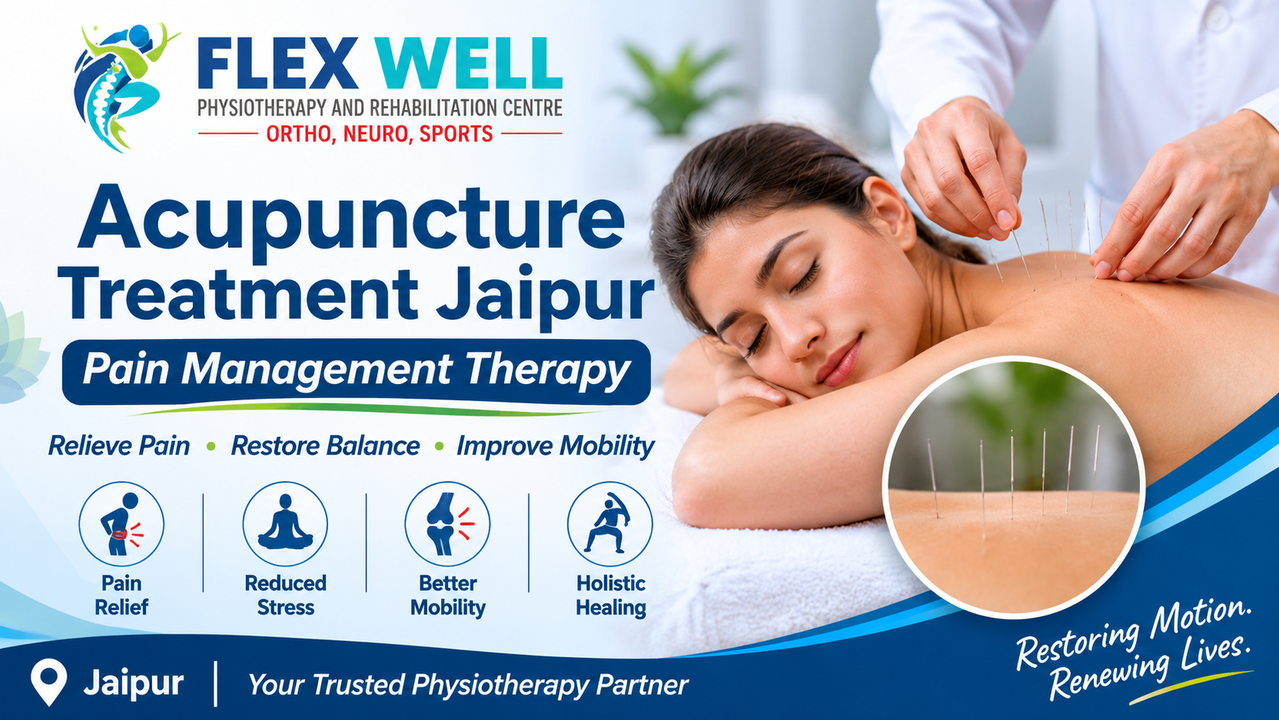
Living with pain can make even simple daily activities difficult. Whether it is back pain, neck stiffness, joint discomfort, muscle tension, or recurring headaches, constant discomfort can affect your work, sleep, and overall quality of life. Acupuncture is one of the treatment approaches that may help manage certain types of pain when provided by a trained professional. If you are looking for Acupuncture Treatment Jaipur or a trusted physiotherapy center in jaipur, understanding how this therapy works can help you make an informed decision about your healthcare. At Flex Well Physiotherapy, the focus is on personalised care, improving physical comfort, and supporting patients throughout their recovery journey.
What Is Acupuncture Treatment?
Acupuncture is a traditional therapeutic technique that involves inserting very fine, sterile needles into specific points on the body. It is commonly used as a complementary approach for managing certain types of pain and discomfort.
The treatment is based on traditional Chinese medicine, which describes specific pathways through which energy, known as Qi, flows in the body. Modern research also explores how acupuncture may influence the nervous system, pain-processing pathways, and the release of certain natural chemicals involved in pain regulation.
Acupuncture is used for different conditions, although its effectiveness can vary depending on the individual and the type of problem.
Some potential benefits may include:
-
Helping manage certain types of chronic pain.
-
Supporting relaxation and reducing muscle tension.
-
Improving comfort and physical function.
-
Supporting recovery as part of a broader treatment plan.
-
Helping some individuals manage stress-related physical discomfort.
Acupuncture should always be performed by a properly trained practitioner using sterile, single-use needles.
How Does Acupuncture Help in Pain Management?
Pain can develop because of several factors, including muscle strain, joint problems, nerve irritation, injuries, and long-term physical stress.
Acupuncture may help manage certain pain conditions by stimulating specific points on the body. Researchers believe that this stimulation may influence the nervous system and the way pain signals are processed.
Depending on the condition, acupuncture may help with:
1. Pain Modulation: Acupuncture may influence the body's natural pain-regulating mechanisms and help reduce discomfort in some patients.
2. Muscle Relaxation: Some people experience reduced muscle tension and improved comfort following treatment.
3. Improved Well-Being: The treatment environment and relaxation response may help patients feel more comfortable and relaxed.
4. Supportive Rehabilitation: When combined with appropriate exercises and physical rehabilitation, acupuncture may form part of a wider pain management programme.
It is important to understand that acupuncture does not guarantee permanent pain relief and should not replace necessary medical treatment.
Common Conditions Where Acupuncture May Be Considered
Acupuncture is commonly explored as a complementary treatment for certain pain-related conditions. A proper assessment is important before starting any sessions.
1. Back Pain
Back pain may develop because of poor posture, prolonged sitting, muscle strain, or certain spinal conditions. Some individuals explore acupuncture as an additional option for managing lower back discomfort.
Treatment may be combined with strengthening exercises, posture correction, and movement training.
2. Neck Pain and Stiffness
Long hours of working on computers or using mobile phones can contribute to neck and shoulder discomfort. Acupuncture may help some people manage associated muscle tension and pain.
3. Knee and Joint Pain
Joint discomfort can affect walking, climbing stairs, and other everyday activities. Acupuncture may be considered as a complementary approach for selected patients experiencing joint-related pain.
4. Headaches
Certain individuals use acupuncture to help manage specific headache conditions, including some types of tension headaches and migraine. Treatment suitability depends on the type and frequency of headaches.
5. Muscle Pain
Muscle tightness and discomfort may develop after exercise, repetitive activities, or physical strain. Acupuncture may be considered alongside appropriate stretching and rehabilitation exercises.
Benefits of Acupuncture Therapy as Part of Physiotherapy
Acupuncture may provide additional support when included in an appropriate physiotherapy programme. However, it is not necessary or suitable for every patient.
Some potential advantages include:
-
Complementary Pain Management: May help manage certain pain conditions alongside other treatments.
-
Muscle Relaxation: May help some individuals experience reduced muscle tension.
-
Improved Treatment Comfort: Reduced discomfort may make it easier for some patients to participate in rehabilitation.
-
Personalised Care: Treatment can be selected according to individual symptoms and healthcare requirements.
-
Support for Physical Activity: When symptoms improve, patients may find it easier to participate in prescribed movement and exercise programmes.
A qualified physiotherapist can help determine whether acupuncture is appropriate for your condition.
Acupuncture Treatment and Modern Physiotherapy
Acupuncture and physiotherapy are different treatment approaches, but they may complement each other in selected cases.
Acupuncture primarily involves stimulating specific points using fine needles, while physiotherapy focuses on improving physical movement, strength, flexibility, and functional abilities.
A combined treatment programme may include:
Acupuncture: Used as a complementary method for managing selected pain conditions.
Therapeutic Exercises: Designed to improve muscle strength, flexibility, and joint mobility.
Manual Therapy: Hands-on techniques may help improve movement and address certain soft tissue restrictions.
Posture Correction: Guidance helps patients develop healthier sitting, standing, and movement habits.
Rehabilitation Exercises: Gradual physical training supports the recovery of functional abilities.
People searching for a physiotherapy clinic in jaipur should consider facilities that focus on proper assessment and personalised treatment rather than offering the same approach to every patient.
What to Expect During an Acupuncture Session
If you are considering acupuncture for the first time, knowing what happens during a session can make the experience more comfortable.
Step 1: Initial Consultation
The practitioner discusses your symptoms, medical history, existing health conditions, and treatment expectations.
Step 2: Assessment
Your condition is evaluated to determine whether acupuncture may be suitable. Certain medical conditions and medications may require additional precautions.
Step 3: Treatment Preparation
You are positioned comfortably, and the treatment area is prepared. Sterile, single-use needles should always be used.
Step 4: Needle Application
Very fine needles are inserted into selected points. Some people experience a mild sensation, pressure, or temporary tingling.
Step 5: Post-Treatment Guidance
After the session, the practitioner may provide advice about physical activity, hydration, and follow-up treatment if appropriate.
The number and frequency of sessions depend on the condition and individual response.
Why Choose Flex Well Physiotherapy for Pain Management?
At Flex Well Physiotherapy, patient care focuses on understanding individual concerns and recommending suitable treatment approaches based on physical needs.
The clinic aims to support patients dealing with different movement-related problems through personalised physiotherapy and rehabilitation guidance.
If you are searching for the best physiotherapy clinic in jaipur, it is important to consider professional qualifications, proper assessment, treatment planning, and patient support.
At Flex Well Physiotherapy, the treatment approach focuses on:
-
Understanding individual pain and movement concerns.
-
Personalised treatment recommendations.
-
Appropriate rehabilitation and exercise guidance.
-
Improving mobility and physical strength.
-
Supporting recovery through professional care.
An experienced physiotherapist in jaipur can help assess your condition and determine whether acupuncture or another treatment approach may be suitable.
Safety and Precautions Before Starting Acupuncture
Although acupuncture is generally considered safe when performed by a properly trained professional, it is important to understand the possible risks.
Some temporary side effects may include:
-
Mild soreness around the needle insertion area.
-
Small amounts of bleeding or bruising.
-
Temporary dizziness or light-headedness.
-
Feeling tired after treatment.
Serious complications are uncommon but can occur, particularly when acupuncture is performed incorrectly or without proper hygiene.
Before treatment, inform your practitioner if you:
-
Take blood-thinning medication.
-
Have a bleeding disorder.
-
Are pregnant.
-
Have a pacemaker or certain implanted electrical devices.
-
Have a weakened immune system or an active skin infection.
Acupuncture should only be performed by a suitably trained practitioner who follows appropriate clinical safety standards.
Simple Tips to Support Pain Management
Along with professional treatment, healthy daily habits can support better physical well-being.
-
Maintain proper posture while sitting and working.
-
Include suitable stretching and physical activity in your routine.
-
Avoid remaining in one position for extended periods.
-
Follow your prescribed home exercise programme.
-
Get sufficient sleep and allow your body time to recover.
-
Avoid activities that unnecessarily increase your symptoms.
-
Consult a healthcare professional if pain persists or becomes worse.
A balanced approach that combines appropriate treatment, regular movement, and healthy habits can help support long-term physical function.
Conclusion
Acupuncture can be a useful complementary approach for managing certain types of pain when performed by a trained professional and included in an appropriate healthcare plan. It may help some individuals experience improved comfort, reduced muscle tension, and better participation in rehabilitation. However, treatment should always be based on proper assessment, individual health requirements, and realistic expectations. If you are considering Acupuncture Treatment Jaipur or looking for a reliable physiotherapy center in jaipur, Flex Well Physiotherapy focuses on personalised care, pain management, and rehabilitation support to help you move better and enjoy a more active lifestyle.
Frequently Asked Questions (FAQs)
1. What is acupuncture treatment used for?
Acupuncture is commonly used as a complementary approach for managing certain types of pain, including back pain, neck discomfort, joint pain, and some headache conditions.
2. Is acupuncture treatment painful?
Most people experience little discomfort because acupuncture needles are very thin. Some may feel mild pressure, tingling, or temporary soreness during or after treatment.
3. How many acupuncture sessions are required?
The number of sessions depends on the patient's condition, symptoms, and response to treatment. A qualified practitioner can recommend an appropriate treatment schedule after assessment.
4. Can acupuncture help with chronic pain?
Acupuncture may help some people manage certain chronic pain conditions. Its effectiveness varies, and it is generally considered alongside other appropriate healthcare approaches.
5. Is acupuncture safe?
Acupuncture is generally safe when performed by a properly trained practitioner using sterile, single-use needles. Minor side effects such as bruising, soreness, or temporary dizziness may occur.
6. Can acupuncture and physiotherapy be combined?
Yes. In selected cases, acupuncture may be combined with physiotherapy exercises, manual therapy, and rehabilitation to support pain management and physical function.
7. Is acupuncture suitable for everyone?
No. Certain medical conditions, medications, pregnancy-related considerations, and implanted devices may require special precautions. A proper assessment is necessary before treatment.
8. Can acupuncture provide permanent pain relief?
Permanent relief cannot be guaranteed. Some patients experience improvement, while others may require ongoing treatment or additional medical care depending on the underlying condition.
9. What should I do after an acupuncture session?
Follow your practitioner's instructions. Most people can return to normal activities, but strenuous exercise may need to be avoided temporarily if you feel sore or tired.
10. How do I know whether acupuncture is right for my condition?
Consult a qualified healthcare professional or trained acupuncture practitioner. They can assess your symptoms, medical history, and treatment requirements before recommending acupuncture.
