A Guide to Hair Transplant for Women
Author : The Skin and Hair Clinic | Published On : 24 Jul 2026
Losing hair as a woman feels different from how it's talked about for men. There's less open conversation, fewer relatable stories, and a lot more silent worry in front of the mirror. Yet female hair loss is far more common than most people realise, affecting roughly one in three women at some point in their lives.
The good news is that a Hair Transplant for Women is no longer a niche procedure. It has become a well-established, refined option for restoring density and confidence, provided it's done by the right hands, for the right candidate, using the right technique.
This guide walks you through everything from the first signs of thinning to what recovery actually looks like, so you can make an informed decision rather than a rushed one.
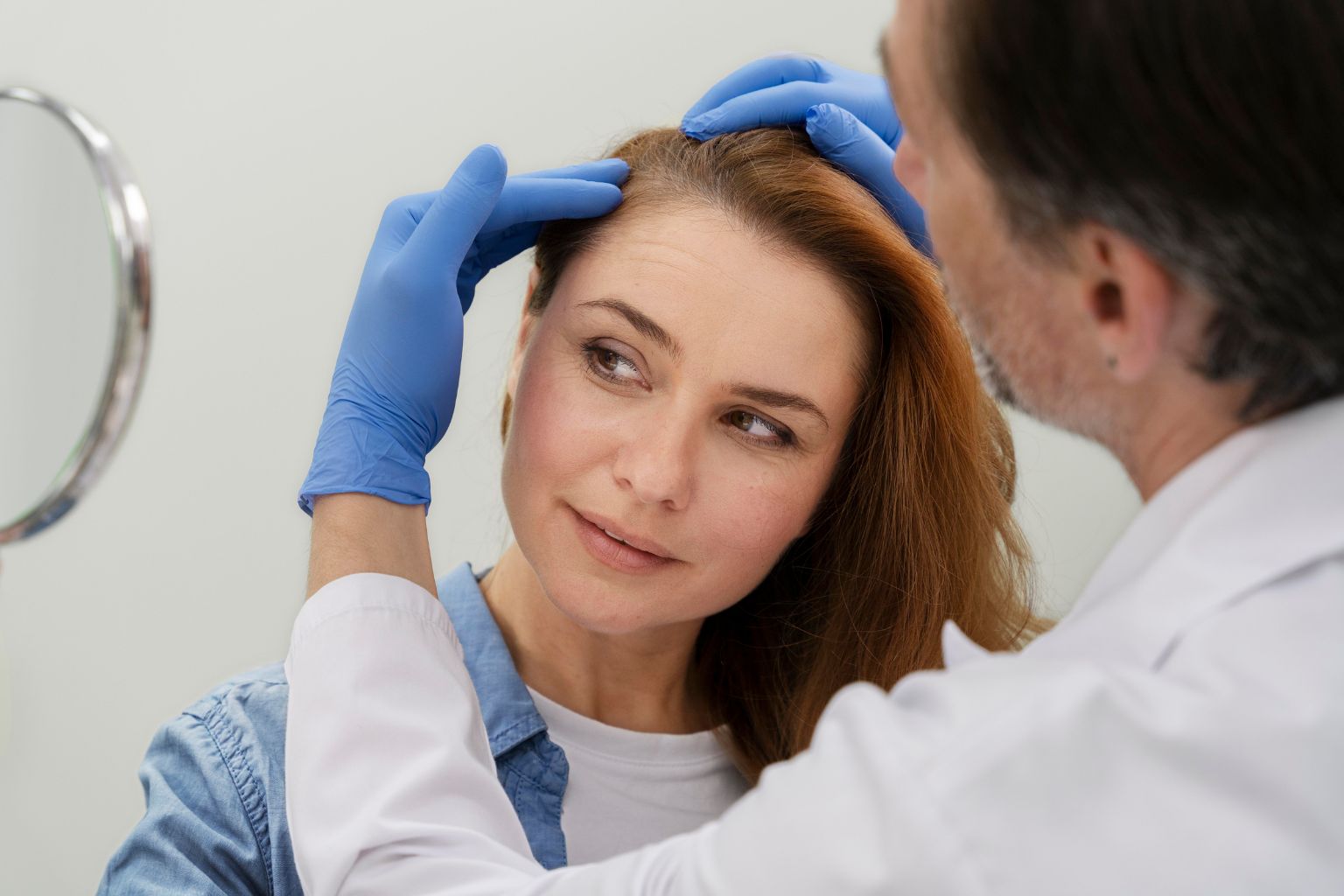
Why Women Lose Hair
Female hair loss rarely looks like the classic male pattern of a receding hairline. Instead, it usually shows up as diffuse thinning across the crown and along the parting, with the hairline itself often staying intact.
Common triggers include:
-
Hormonal shifts from pregnancy, menopause, PCOS, or thyroid issues
-
Genetic sensitivity to hormones that gradually shrink hair follicles
-
Iron deficiency, crash dieting, or sudden weight loss
-
Chronic stress or a major physical shock to the body (illness, surgery)
-
Autoimmune conditions such as alopecia areata
Because so many causes overlap, getting an accurate diagnosis before jumping to surgery matters more for women than it does for men.
Is a Hair Transplant Right for You?
Not every woman with thinning hair is a suitable candidate, and a good clinic will tell you this honestly rather than book you in regardless.
What Makes a Good Candidate
-
Hair loss that has stabilised rather than being active and rapidly progressing
-
Enough healthy donor hair at the back and sides of the scalp
-
No untreated underlying medical condition driving the loss
-
Realistic expectations about density, not a hairline transplant
When It's Not the Right Fit
If hair loss is still active, hormonal, or linked to an untreated condition, transplanting hair into an unstable area can lead to disappointing, patchy results. This is why a proper consultation, including bloodwork and scalp examination, comes before any procedure recommendation.
Techniques Used in Female Hair Transplants
Two main methods are used, and each suits different hair types and goals.
FUE (Follicular Unit Excision)
Individual follicles are extracted one at a time using a fine punch tool, leaving tiny dot-like marks rather than a scar line. It suits women who want to avoid a visible scar and often prefer to keep the donor area unshaved using long-hair FUE techniques.
FUT (Strip Method)
A thin strip of scalp is removed and dissected into individual grafts under a microscope. It can yield a higher number of grafts in one sitting, useful for more extensive diffuse thinning, though it leaves a fine linear scar usually hidden by surrounding hair.
Neither technique is universally "better." The right choice depends on hair density, donor supply, and how the hair is typically worn.
What Makes a Hair Transplant for Women Different
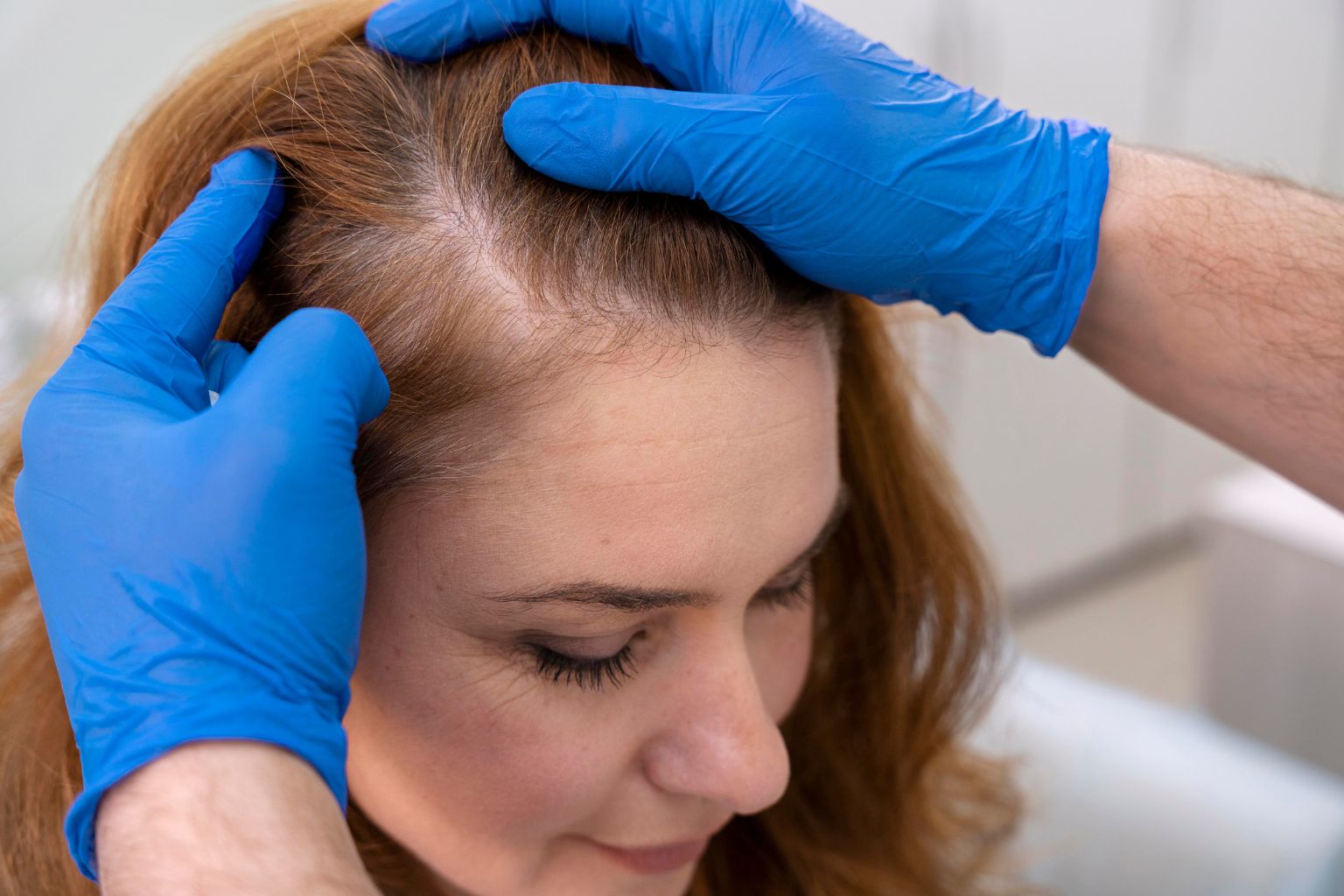
A Hair Transplant for Women is not simply a smaller version of a male procedure. Female hair restoration requires distinct planning:
-
Softer hairline design: women's natural hairlines are rounded and irregular, not sharp or angular
-
Density over shape: most women want fuller-looking hair rather than a redefined hairline
-
Careful donor assessment: because thinning is diffuse, even donor areas can be affected, so a surgeon must confirm which follicles are stable long-term
-
Natural parting reconstruction: the direction of hair growth around the parting has to be recreated precisely, or the result looks unnatural
At The Skin and Hair Clinic, this is treated as a specialised discipline in its own right, with transplant plans built around each woman's hair pattern rather than a standard template.
The Procedure: What Actually Happens
On the day, local anaesthetic numbs the scalp, so the procedure itself is not painful, though you'll feel some pressure and mild discomfort during and shortly after. Depending on the number of grafts needed, sessions typically run four to eight hours. Most women go home the same day.
Recovery Timeline
-
Days 1–3: Mild swelling and tenderness; scabbing forms around grafts
-
Week 2: Scabs shed; transplanted hairs often fall out temporarily. This is normal, not failure
-
Months 2–4: New growth begins, fine and slow at first
-
Months 6–9: Visible thickening and density
-
Month 12+: Final results, with hair behaving and growing like natural hair
Pro Tip: Avoid heat styling and tight hairstyles for at least four weeks, and sleep slightly elevated for the first few nights to reduce swelling.
Cost of Hair Transplant for Women in the UK
Pricing depends on graft count, technique, and clinic expertise rather than a flat fee. In the UK, costs commonly range from around £3,000 for smaller sessions to £9,000+ for extensive diffuse thinning cases requiring several thousand grafts. Be cautious of prices that seem unusually low; grafting quality and surgeon skill affect results far more than headline price.
Choosing the Right Clinic
Common Mistakes to Avoid
-
Choosing a clinic based on price alone
-
Not asking who actually performs the extraction and implantation, since technician skill versus surgeon skill matters
-
Skipping a proper medical work-up before booking surgery
-
Ignoring before-and-after photos of female patients specifically, not just male results
A clinic with genuine experience in Hair Transplant for Women cases should be able to show female-specific results and explain their hairline and density planning clearly, not vaguely.
Take the First Step Toward Fuller Hair
You don't need to decide anything today. What helps most at this stage is an honest, unhurried conversation about whether a transplant even makes sense for your hair loss pattern.
The Skin and Hair Clinic offers consultations that start with proper diagnosis, not a sales pitch, so you leave with clarity, whether that means moving forward with a transplant or exploring other treatments first.
Book a consultation with The Skin and Hair Clinic today and get a personalised assessment of your hair restoration options.
Frequently Asked Questions
1. At what age can a woman get a hair transplant?
There's no fixed minimum age, but most surgeons prefer to wait until hair loss has stabilised, often the mid-to-late twenties onward, so results aren't undermined by ongoing loss.
2. Does a hair transplant hurt?
The scalp is numbed with local anaesthetic, so the procedure itself isn't painful. Some tenderness and mild soreness in the days after is normal and manageable with over-the-counter pain relief.
3. Will my transplanted hair look different from my natural hair?
No. Because the grafts come from your own scalp, transplanted hair grows, colours, and styles exactly like your existing hair once it's fully settled.
4. Can women with diffuse thinning still get a transplant?
Yes, but it requires more careful donor evaluation, since thinning can affect areas normally used for donor hair. A specialist assessment determines whether enough stable, healthy follicles are available.
5. How long before I see final results?
Initial regrowth starts around three to four months, with noticeable thickening by six to nine months, and full, final results typically visible at around twelve months.
