A Complete Guide to Stud Bolts: Types, Grades, Applications & Weight
Author : Delta Inc | Published On : 05 Nov 2026
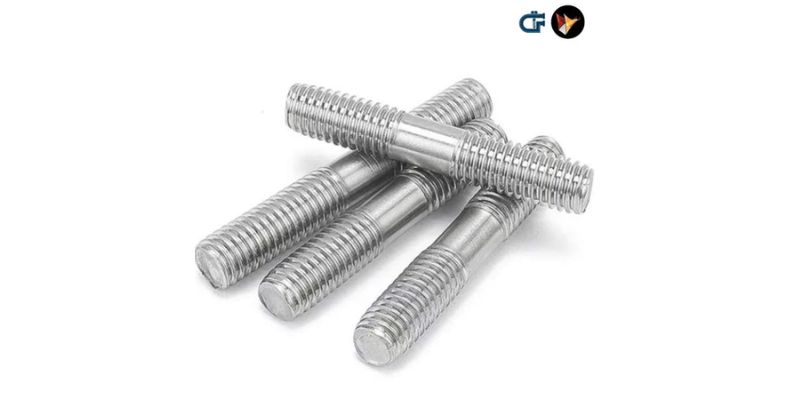
Delta Fitt Inc. is a leading stud bolts manufacturer in India, offering quality fastening solutions for oil and gas, petrochemical, power generation, construction, and heavy engineering industries. Stud bolts play an important role in industrial assemblies by providing strong and secure connections between flanges, pipelines, and equipment. Available in various materials, grades, diameters, and lengths, they are designed to meet different application requirements. Selecting the right stud bolt helps ensure proper fitting, reliable performance, and long-lasting connections.
Understanding the Design and Function of Stud Bolts
Unlike conventional bolts, stud bolts are threaded fasteners that generally require two separate nuts for installation. They are frequently used in flange assemblies, where the fastener passes through aligned holes in two connecting components. Tightening the nuts creates the clamping force needed to maintain a secure joint.
Their design makes them useful in applications involving pipelines, valves, pressure vessels, heat exchangers, and industrial machinery. Depending on project requirements, buyers can choose fully threaded or specific threaded-length configurations in different material grades.
Different Grades of Stud Bolts and Their Properties
Material grade is one of the most important considerations when purchasing industrial fasteners. Each grade offers different mechanical and corrosion-resistance properties.
B7 Stud Bolts for Industrial Flange Connections
B7 Stud Bolt is an alloy steel fastener commonly specified for applications involving high pressure and elevated temperatures. Manufactured from chromium-molybdenum steel, this grade is widely used in refineries, oil and gas facilities, chemical plants, and power generation equipment. Its mechanical properties make it suitable for demanding industrial service conditions.
B8 Stud Bolts for Corrosive Environments
B8 Stud Bolts are manufactured from stainless steel and are selected for applications where corrosion resistance is required. They are commonly found in chemical processing, water treatment, industrial piping, and equipment installations. The appropriate stainless steel condition should be selected according to the required strength, temperature, and corrosion exposure.
How to Determine the Correct Stud Bolt Specifications?
Before purchasing fasteners, it is important to understand the technical requirements of the application. Selecting an unsuitable grade or dimension can affect the performance and reliability of a bolted connection.
Consider these important specifications:
-
Material Composition: Check whether the application requires carbon steel, alloy steel, or stainless steel.
-
Fastener Dimensions: Confirm the required diameter, overall length, and threaded length.
-
Thread Specifications: Identify the correct thread pitch and thread series.
-
Environmental Conditions: Evaluate moisture, chemicals, temperature, and operating pressure.
-
Industry Standards: Follow the applicable ASTM, ASME, and project-specific requirements.
-
Assembly Requirements: Ensure that the selected nuts and washers are compatible with the fastener.
A reliable stud bolt supplier should provide accurate product details and relevant quality documentation to help customers verify these specifications.
Understanding Stud Bolt Weight for Project Estimation
Fastener weight is an important factor in bulk purchasing, inventory management, and transportation planning. Engineers and procurement professionals often use standard weight charts to estimate the quantity and approximate weight of fasteners required for a project.
A Bolt Weight Chart in Kg provides reference information based on different diameters and lengths. However, actual weight depends on material density, thread dimensions, overall size, and manufacturing tolerances. For accurate calculations, buyers should confirm the product specifications with their manufacturer.
Stud Bolt Supply for International Industrial Projects
Industrial fasteners are required across global infrastructure, manufacturing, and energy sectors. International procurement teams generally evaluate suppliers based on manufacturing capabilities, material traceability, product specifications, inspection facilities, and delivery schedules.
Businesses searching for a Fasteners Supplier in Nigeria, Fasteners Supplier in Saudi Arabia, or Fasteners Supplier in Poland should compare these factors before finalizing their sourcing decisions.
Other Fastening Solutions for Industrial Applications
Industrial projects often require more than one type of fastening component. Depending on the equipment and installation, buyers may need hex bolts, heavy hex bolts, nuts, and washers.
Other products include anchor bolts, U bolts, threaded rods, socket head screws, machine screws, and pipe clamps. Selecting compatible fastening components helps achieve proper assembly and consistent performance.
Conclusion
Stud bolts are essential fastening components in industries where secure and dependable connections are required. Understanding their material composition, grade classifications, dimensions, and weight helps buyers select suitable products for different operating conditions. Whether the requirement involves B7 alloy steel or B8 stainless steel fasteners, checking technical specifications and quality documentation is important before purchasing. Choosing an experienced manufacturer and supplier can help ensure that industrial fastening requirements are met with the right products and specifications.
Frequently Asked Questions
1. What is the difference between a stud bolt and a regular bolt?
A stud bolt generally has no conventional bolt head and uses separate nuts for fastening. A regular bolt usually has an integrated head and is tightened with a nut or threaded component.
2. What information is needed to calculate stud bolt weight?
The main details required are the material, diameter, overall length, thread dimensions, and fastener configuration. These specifications help determine the approximate weight.
3. Which stud bolt grades are commonly used in industrial applications?
B7 and B8 are popular choices. B7 is an alloy steel grade, while B8 is a stainless steel grade. The selection depends on application conditions and project specifications.
