7 Signs Your Trees May Need Professional Tree Pruning Services
Author : Alexander Toby | Published On : 05 Oct 2026
Healthy trees can add shade, beauty and value to your property, but they also need regular care to remain safe and structurally sound. Knowing when professional help is needed can prevent minor issues from becoming costly problems. If you are searching for reliable tree pruning services near me, recognising the warning signs early can help you arrange the right maintenance at the right time.
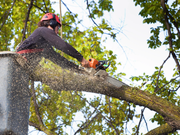
1. Dead or Broken Branches
Dead branches can become unstable and may fall unexpectedly, particularly during strong winds or storms. Cracked, hanging or completely lifeless branches should be assessed by a qualified professional. Removing them can reduce safety risks while supporting the overall health and appearance of the tree.
2. Branches Are Growing Too Close
When branches become overcrowded, they can rub against one another as the tree moves in the wind. Continuous rubbing may damage the bark and create openings where pests or decay can develop. Selective pruning can improve spacing and encourage healthier structural growth.
3. The Canopy Has Become Too Dense
A thick canopy can restrict sunlight and airflow through the tree. Poor airflow may create a damp environment that encourages certain fungal problems, while insufficient light can affect surrounding plants. Professional pruning can carefully reduce excess growth without removing more foliage than necessary.
4. Branches Are Touching Structures
Trees growing close to houses, garages, fences or other structures may eventually cause problems when branches become longer and heavier. Branches pressing against roofs or walls can also create maintenance concerns. Timely pruning can maintain suitable clearance and reduce the likelihood of branches causing damage.
5. You Notice Weak or Unusual Growth
Changes in the shape or growth pattern of a tree can indicate an underlying structural issue. Multiple weak shoots, unusually angled branches or excessive growth in one area may affect the tree's balance. A professional assessment can determine whether selective pruning would improve its structure.
6. Branches Are Blocking Important Areas
Overgrown branches can obstruct driveways, paths, windows, signs and outdoor areas. They may also interfere with visibility around entrances or create difficulties when maintaining the property. Strategic pruning can restore clearances while keeping the tree's natural form intact.
7. The Tree Looks Unbalanced
A tree with noticeably uneven growth may have developed an uneven canopy because of previous damage, environmental conditions or competing branches. An unbalanced structure can place additional weight on particular sections. Professional pruning can help manage the canopy and encourage more balanced development.
Why Professional Tree Pruning Matters
Safer and More Controlled Maintenance
Tree pruning requires an understanding of branch weight, growth patterns and safe cutting techniques. Removing the wrong branch can create unnecessary stress or weaken the tree. Professional services can identify which growth should be removed and how much pruning is appropriate.
Better Long-Term Tree Health
Pruning is not simply about making a tree look tidy. Properly planned cuts can support healthy growth, improve canopy structure and remove damaged sections before they become larger concerns. Regular inspections can also help property owners identify developing issues earlier.
FAQs About Tree Pruning
1. How often should trees be pruned?
The ideal frequency depends on the tree species, age, condition, location and growth rate. Some trees require occasional pruning, while others may benefit from more regular maintenance.
2. Can I prune large branches myself?
Large branches can be difficult to control and may fall unpredictably. Professional assistance is generally safer, especially when branches are high, heavy or close to structures.
3. What is the best time to prune a tree?
The appropriate timing varies according to the tree species and the type of pruning required. A professional can recommend suitable timing based on the tree's condition and growth cycle.
4. Does pruning improve tree health?
Yes, when carried out correctly. Removing dead, damaged or poorly positioned growth can improve the tree's structure and allow healthier growth to develop.
5. How do I know if my tree needs professional pruning?
Dead branches, excessive canopy growth, structural imbalance, damaged limbs and branches growing towards structures are common signs that professional assessment may be worthwhile.
PayLess Tree Lopping Service
Sydney, Australia
+61 455 434 465

