7 Signs Your Heavy-Duty Clutch Friction Plates Need Replacement
Author : protec friction | Published On : 26 Oct 2026
Heavy-duty clutch friction plates show wear through clutch slipping, difficult gear changes, burning smells, unusual noises, pedal changes, vibration, and reduced pulling power. Timely inspection and replacement with quality components help maintain vehicle performance, improve reliability, and prevent costly breakdowns.
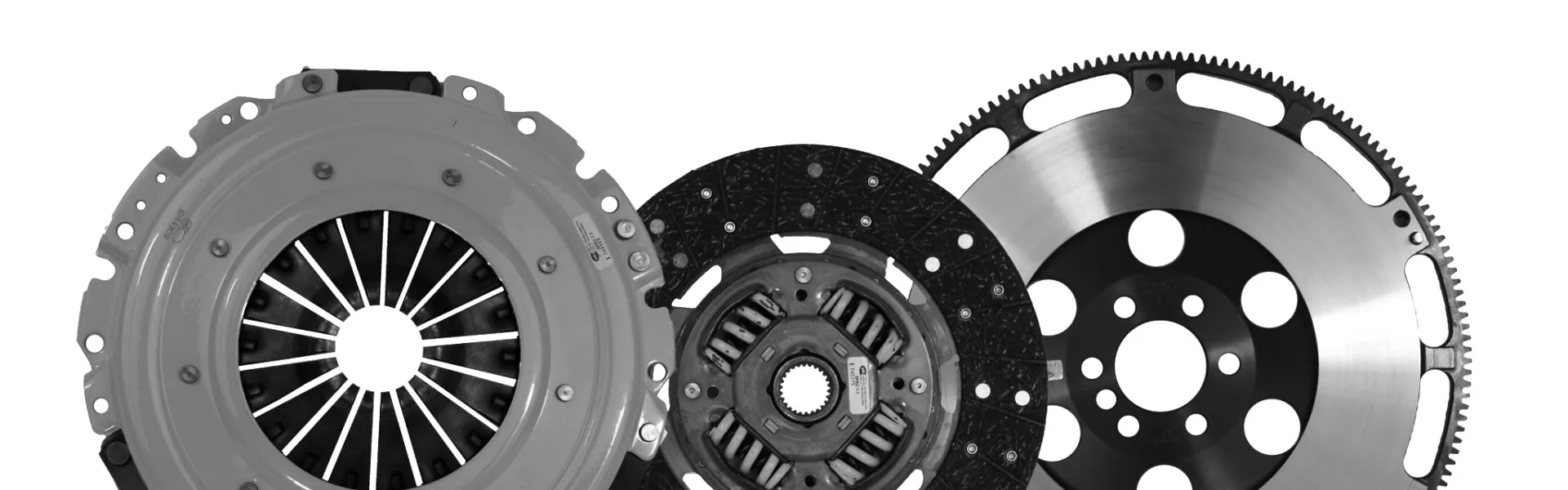
Heavy-duty vehicles depend on a reliable clutch system to transfer engine power efficiently and maintain smooth performance. Over time, friction plates experience wear due to heat, pressure, and repeated engagement. Recognizing when Heavy Duty Clutch Friction Plates need replacement can help prevent unexpected breakdowns, reduce repair costs, and keep commercial vehicles operating safely.
1. Clutch Slipping Under Heavy Loads
One of the most common warning signs is clutch slipping. When the engine RPM increases but the vehicle does not accelerate proportionally, the friction plates may no longer provide sufficient grip. This problem becomes more noticeable when hauling heavy loads, climbing hills, or towing equipment. Prompt inspection can prevent further damage to the clutch assembly.
2. Difficulty Changing Gears
Worn friction plates can interfere with smooth gear engagement. Drivers may experience resistance when shifting, particularly when moving between lower and higher gears. Although hydraulic problems or damaged linkage can cause similar symptoms, a professional inspection can identify whether the clutch requires attention.
3. Burning Smell During Operation
A strong burning odor after repeated gear changes, uphill driving, or heavy-duty operation may indicate excessive clutch friction and overheating. Continued driving under these conditions can damage friction surfaces and surrounding components. Stop using the vehicle if the smell persists, and arrange a qualified inspection before the problem worsens.
4. Unusual Noises From the Clutch Area
Grinding, rattling, or other unusual noises when engaging or disengaging the clutch should not be ignored. These sounds may indicate worn friction components, damaged springs, or problems with the release mechanism. Identifying the source early can help avoid more extensive transmission repairs.
5. Clutch Pedal Feels Different
A clutch pedal that suddenly feels unusually soft, stiff, or inconsistent can indicate a developing problem. While pedal changes may result from hydraulic faults or pressure plate issues, worn clutch components should also be considered. A technician can examine the entire assembly to determine the appropriate repair.
6. Vehicle Vibrates During Clutch Engagement
Excessive vibration or judder when starting from a stop can signal uneven friction surfaces, contamination, or damage to clutch components. These symptoms may become more noticeable when carrying heavy cargo. Replacing damaged parts when necessary helps restore smoother engagement and improves driving comfort.
7. Reduced Pulling Power and Performance
When a vehicle struggles to move heavy loads despite normal engine operation, clutch wear may be responsible. Damaged friction surfaces can prevent effective power transfer from the engine to the transmission. Choosing a quality Heavy Duty Clutch Plate suited to the vehicle's operating requirements can help restore dependable performance.
When Should You Replace Your Clutch Plates?
Do not wait for complete clutch failure before arranging an inspection. If several warning signs appear together, have a qualified mechanic assess the friction plates, pressure plate, release mechanism, and related components. Selecting durable heavy duty clutch friction plates that meet the manufacturer's specifications is essential for reliable operation and long service life.
Conclusion
Clutch problems can affect productivity, vehicle safety, and operating expenses. Recognizing these seven warning signs allows fleet operators and vehicle owners to address wear before it leads to costly downtime.
Get the Right Clutch Replacement
If your heavy-duty vehicle shows signs of clutch slipping, vibration, overheating, or difficult gear changes, Contact a Trusted Clutch Specialist Today. Request an inspection and choose a suitable replacement heavy duty clutch plate to keep your vehicle performing reliably. Call now – (914-244-3600) to discuss your clutch needs and get the support your vehicle deserves.
