7 Conditions Commonly Treated by a Cardiac Surgeon
Author : Dr Aditya Lad | Published On : 23 Jun 2026
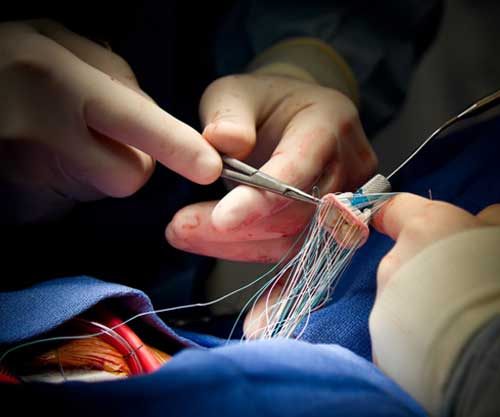
When people think about heart surgery, they often imagine it as a last resort reserved for only the most critical situations. In reality, cardiac surgeons treat a wide range of conditions, some of which are identified during routine evaluations before they become life-threatening. Understanding what falls within the scope of cardiac surgical care helps patients recognise when a specialist consultation may be appropriate. Seeking timely evaluation from a trusted cardiac surgeon in surat can make a significant difference in outcomes across all of these conditions.
Because knowing which conditions a cardiac surgeon treats helps you seek the right care at the right time.
What Does a Cardiac Surgeon Treat?
Cardiac surgeons specialise in surgical interventions involving the heart and the major blood vessels directly connected to it. Their work spans both emergency and planned procedures, addressing structural, functional, and circulatory problems that cannot be managed through medication or non-surgical intervention alone.
Condition 1: Coronary Artery Disease
Coronary artery disease (CAD) occurs when the arteries supplying blood to the heart muscle become narrowed or blocked due to plaque build-up. When medication and lifestyle changes are insufficient, or when multiple arteries are significantly blocked, coronary artery bypass grafting (CABG) is performed. This procedure creates new pathways for blood to flow around the blocked arteries, restoring circulation to the heart muscle.
Condition 2: Valvular Heart Disease
The heart contains four valves that regulate blood flow between its chambers and to the rest of the body. When one or more valves become damaged, narrowed, or begin to leak due to infection, calcification, or congenital abnormality, surgical repair or replacement may be required. Both mechanical and biological valve options are available depending on individual patient factors.
Condition 3: Heart Failure
In advanced cases of heart failure where the heart can no longer pump effectively despite medical management, surgical options may include ventricular assist device implantation or, in the most severe cases, heart transplantation. These procedures are considered when other treatment avenues have been exhausted.
Condition 4: Aortic Aneurysm and Aortic Dissection
The aorta is the largest blood vessel in the body, carrying blood from the heart to the rest of the circulation. An aortic aneurysm is an abnormal bulging of the aortic wall, while a dissection occurs when the layers of the aortic wall tear apart. Both conditions can be life-threatening and often require urgent surgical intervention.
Condition 5: Congenital Heart Defects
Some heart conditions are present from birth, ranging from relatively minor structural abnormalities to complex defects affecting multiple chambers and vessels. Cardiac surgeons perform corrective procedures on these defects, sometimes in infancy or childhood and occasionally in adulthood when defects are identified later in life.
Condition 6: Arrhythmia Requiring Surgical Intervention
While most heart rhythm disorders are managed medically or through catheter-based procedures, certain arrhythmias require surgical treatment. The maze procedure, for example, is a surgical technique used to treat atrial fibrillation that has not responded to other interventions, creating a pattern of scar tissue that redirects electrical signals in the heart.
Condition 7: Pericardial Disease
The pericardium is the protective sac surrounding the heart. Conditions such as constrictive pericarditis, where the pericardium becomes thickened and restricts normal heart function, may require surgical removal of part or all of the pericardium to restore adequate cardiac performance.
When to Consult a Cardiac Surgeon
Not every diagnosis automatically leads to surgery. Cardiac surgeons work closely with cardiologists to evaluate each case individually and determine whether surgical intervention is the most appropriate path forward. Many patients benefit from a specialist opinion even if surgery ultimately proves unnecessary.
Warning signs that may warrant cardiac surgical evaluation include chest pain unresponsive to medication, shortness of breath during routine activities, heart murmurs identified by a physician, and symptoms related to previously diagnosed valve or arterial conditions.
Conclusion
Cardiac surgery addresses a broad spectrum of conditions affecting the heart and its surrounding structures, from blocked arteries and damaged valves to aortic emergencies and congenital defects. Early specialist evaluation improves outcomes across all of these areas. Consulting a skilled cardiac surgeon in surat ensures that your specific condition is assessed accurately and managed with the expertise and experience it requires.
Because understanding the conditions cardiac surgeons treat is the first step toward seeking the right care at the right time
