5 Unique Experiences That Make a Jawai Safari Different
Author : shivtara resort jawai | Published On : 21 Aug 2026
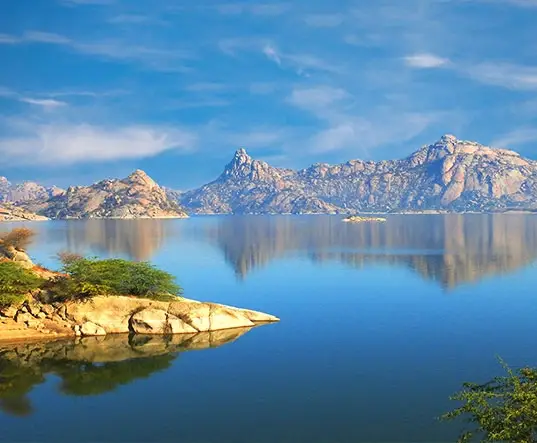
Rajasthan is famous for its forts, palaces, deserts, and colorful traditions, but its wildlife landscapes offer another side of the state. Among these destinations, Jawai stands out for the distinctive way visitors experience nature. Located in the Pali district, the region is known for its granite hills, leopard population, wetlands, birdlife, and close relationship between local communities and wildlife.
A Jawai safari is not simply a drive through a protected forest in search of animals. The landscape itself becomes part of the experience, and each outing can reveal something different. From observing leopards among rocky formations to watching migratory birds around Jawai Dam, the region offers several experiences that distinguish it from conventional wildlife destinations.
Here are five experiences that make a Jawai safari particularly unique.
1. Watching Leopards Among Granite Hills
The most recognizable feature of a Jawai safari is the opportunity to observe leopards in a landscape dominated by enormous granite formations. These rocky hills contain natural caves and crevices that provide shelter for the animals.
Unlike dense forest environments, Jawai's relatively open terrain can provide wider views of the surrounding landscape. Leopards may sometimes be seen resting on rocks, moving between formations, or interacting with their young.
However, wildlife sightings can never be guaranteed. The most responsible approach is to allow animals to behave naturally and follow the instructions of experienced guides. The unpredictability of each outing is part of what makes a wildlife encounter meaningful.
For travelers researching the best resort in Jawai for a stay, proximity to safari areas can be an important practical consideration, particularly for early morning and evening excursions.
2. Exploring a Landscape Shaped by Water and Rock
Jawai's scenery is one of the biggest differences between this safari destination and traditional forest reserves. The region's ancient granite hills rise dramatically from open plains, while Jawai Dam creates an important water source for wildlife and birds.
The contrast between rugged rocks, open grasslands, and calm water produces striking views throughout the day. Early morning light can create soft shadows across the hills, while sunset transforms the landscape with warm colors.
This means a safari can be rewarding even when a particular animal remains hidden. The geological landscape, changing light, and surrounding wilderness provide plenty to observe and photograph.
3. Discovering Birdlife Around Jawai Dam
Jawai is not only a destination for leopard enthusiasts. Its wetlands support an impressive variety of resident and migratory birds, making birdwatching an important part of the regional wildlife experience.
Depending on the season, visitors may encounter flamingos, cranes, painted storks, kingfishers, eagles, herons, and several other species around water bodies and surrounding habitats.
Winter is particularly interesting for birdwatchers because migratory species arrive from distant regions. Early morning excursions can offer opportunities to observe birds feeding, flying between wetlands, or gathering around shallow water.
For photographers, combining birdwatching with a leopard safari creates a more diverse wildlife experience and highlights the ecological importance of the entire region.
4. Learning About Human-Leopard Coexistence
Perhaps the most fascinating aspect of Jawai is the relationship between wildlife and the people who live in the surrounding area.
The Rabari community has traditionally occupied this landscape and has developed a remarkable relationship with the local environment. Leopards and people have shared the region for generations, making Jawai an interesting example of human-wildlife coexistence.
Visitors who learn about local lifestyles gain a deeper understanding of how conservation can involve communities rather than focusing exclusively on protected areas.
This cultural dimension adds another layer to the safari experience. It allows travelers to understand that wildlife conservation is connected to local livelihoods, traditions, and attitudes toward nature.
5. Experiencing Wildlife at a Slower Pace
Another quality that distinguishes Jawai is its relatively peaceful atmosphere. Visitors are often able to spend time observing the landscape without treating every moment as a race to find the next animal.
Patience is particularly important when searching for leopards. A guide may identify signs of an animal's presence and wait quietly rather than immediately moving on. This creates opportunities to observe natural behavior instead of simply collecting photographs.
The slower pace also allows travelers to notice smaller details, such as bird calls, animal tracks, changing weather, vegetation, and the relationship between different species within the ecosystem.
Travelers considering a luxury stay resort in Jawai may also appreciate having a comfortable base from which to enjoy this slower style of wildlife travel.
Responsible Tourism Is Part of the Experience
A memorable safari should not come at the expense of wildlife or the environment. Visitors should maintain appropriate distances from animals, avoid loud noises, never feed wildlife, and follow the guidance of experienced safari professionals.
Photography should also be practiced responsibly. Telephoto lenses allow visitors to capture wildlife without approaching animals unnecessarily, while avoiding flash photography helps reduce disturbance.
Respecting local communities is equally important. Travelers should ask permission before photographing people, avoid entering private areas without authorization, and support local businesses where appropriate.
These simple practices help protect Jawai's natural and cultural character as tourism continues to grow.
When to Experience Jawai
Jawai can be explored throughout the year, but different seasons offer different advantages. Winter generally provides pleasant weather and increased opportunities for migratory bird sightings. Summer can offer interesting wildlife observations around water sources, while the monsoon brings fresh greenery and dramatic changes to the landscape.
Morning and evening are generally the most comfortable periods for outdoor wildlife activities, with softer light also benefiting photographers.
Planning around the season and your primary interests can make the safari experience more rewarding.
Conclusion
A Jawai safari stands apart because it combines wildlife observation with landscapes, birdlife, cultural heritage, and a slower approach to nature. The opportunity to observe leopards among granite hills is certainly a major attraction, but it is only one part of the experience.
Exploring Jawai Dam, discovering migratory birds, learning about human-leopard coexistence, and appreciating the region's dramatic scenery provide a broader understanding of why this destination has become increasingly important to wildlife travelers.
For visitors who approach the region with patience and respect, Jawai offers more than a conventional safari. It provides an opportunity to experience how wildlife, landscapes, and communities can exist together within one remarkable part of Rajasthan.
For your next article, a natural follow-up topic would be the best time of day to spot leopards in Jawai, which can target another useful long-tail search query.
