5 Key Stages in the Electrical Panel Fabrication Process
Author : Elite Automation & Electrical Services Inc. | Published On : 25 Sep 2026
The article explains the electrical panel fabrication process, from understanding project requirements and selecting components to enclosure preparation, mounting, wiring, testing, and inspection. It highlights how professional fabrication improves electrical panel reliability, safety, maintenance, performance, and long-term operational efficiency.
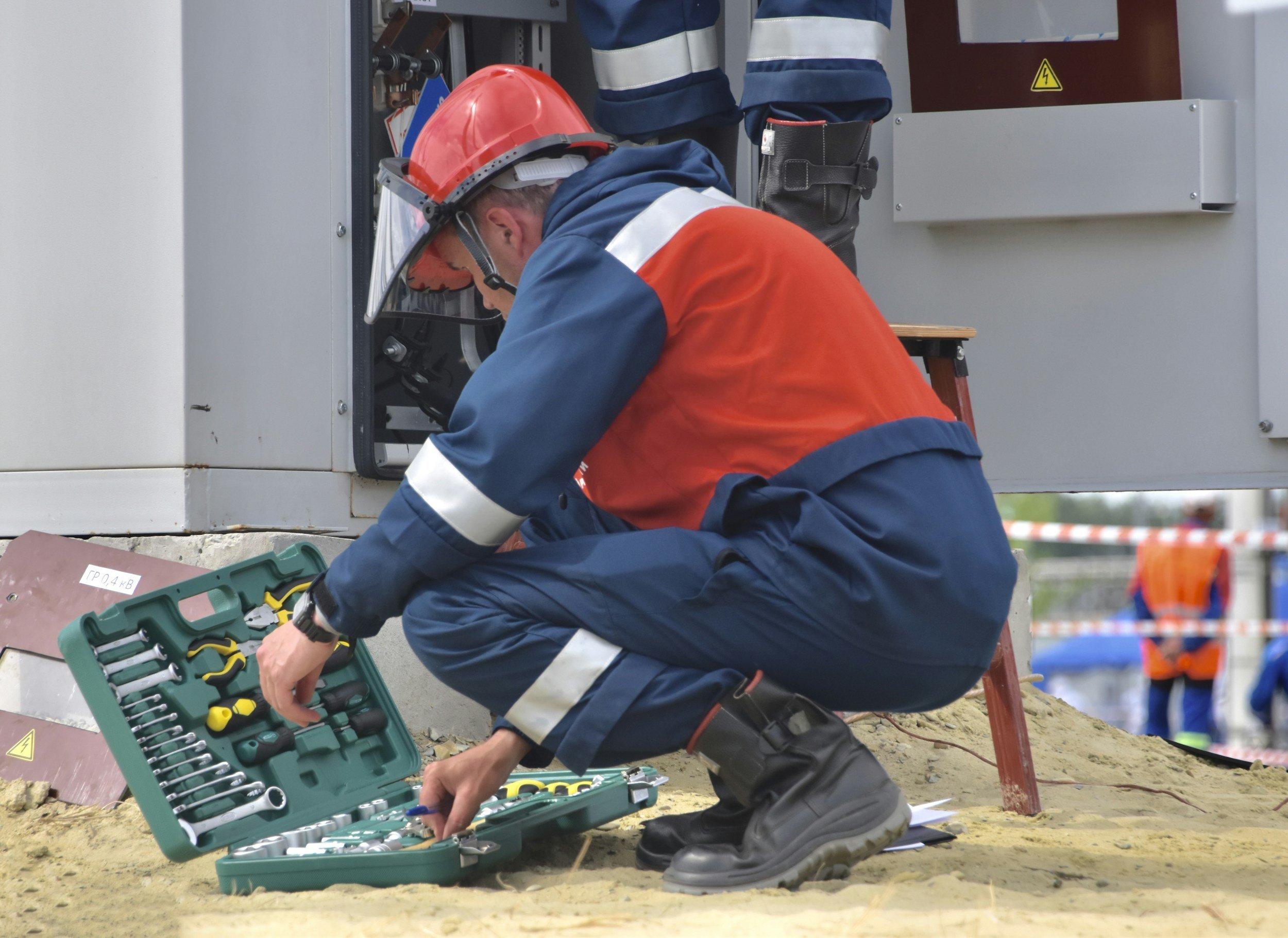
Electrical panels are essential for distributing, controlling and protecting power in factories, offices and automated systems. Building a reliable electrical panel needs planning, precise work and strong quality checks. Knowing an Electrical Panel Fabrication Process lets businesses see how every step adds to an efficient and dependable final product.
1. Understanding Requirements and Planning
The first step is to figure out the needs of a project. Engineers look at voltage, current, the machines that will be connected, the environment where the electrical panel will live, safety rules and space limits. This data tells engineers the panel size, the parts to use, the enclosure type and the layout. Good planning at this time cuts mistakes later. Makes sure the finished electrical panel fits the job.
2. Design and Component Selection
Once the needs are clear, engineers draw schematics and plan how components will sit inside the electrical panel. Circuit breakers, contactors, relays, terminal blocks, power supplies, PLCs and other devices are chosen to meet the system’s demands. The design must also think about access, heat control, where wires will run, maintenance and future growth. Careful engineering keeps the panel efficient and simple to run and fix. For projects that need custom automation, the Control Panel Design and Fabrication give a steady path from drawing to final kit.
3. Enclosure Preparation and Fabrication
The chosen enclosure is prepared based on the approved plan. Depending on the project, this may mean cutting, drilling, punching, bending, setting up a mounting plate and making holes for cable glands, displays, switches and vents. Exact work is crucial because wrong holes or mounting spots can ruin component placement and the panel’s protection. Good fabrication also keeps the panel looking neat and helps the equipment run reliably.
4. Component Mounting and Wiring
After the enclosure is ready, technicians secure components in the spots shown in the schematic and layout. Then they connect the parts with wires that have the correct size, terminals, ferrules and labels. Wiring must stay tidy so that fixes and upkeep are easy. The electrical panel needs power and control lines, proper grounding and clear wire labels. This step turns the design into a live electrical panel and is a key part of the electrical panel building work.
5. Testing and Quality Inspection
Before the electrical panel leaves the shop, it goes through a check and test. Technicians confirm every wire, every component, the insulation, the grounding, the circuit’s operation, and the safety features. Depending on the job, functional tests also verify that controls, alarms, lights and automation cycles run as planned. Thorough testing finds problems before the electrical panel goes to its site.
Why Professional Fabrication Matters
A professional electrical panel gives reliability, easier maintenance and safer operation. Skilled fabricators mix engineering know‑how with craft to make electrical panels that meet exact electrical and automation needs. Choosing a maker who knows control panel design and building also makes project coordination and quality easier.
From the plans and designs to the final test, every step makes a reliable electrical panel. A well‑ordered electrical panel building process keeps the panel accurate, safe, functional and ready for years to come.
Start Your Project
Looking for a panel that fits your needs? Work with a fabrication team that can guide you from design and part picking to final assembly and testing. Contact a Trusted Panel Maker Today to talk about your needs and create a panel that will perform reliably. Call Now (6615782677) to speak with our panel fabrication experts and get started.
