3D Printing in Metal Manufacturing: Future of Production
Author : Shawn Fisher | Published On : 31 Mar 2026
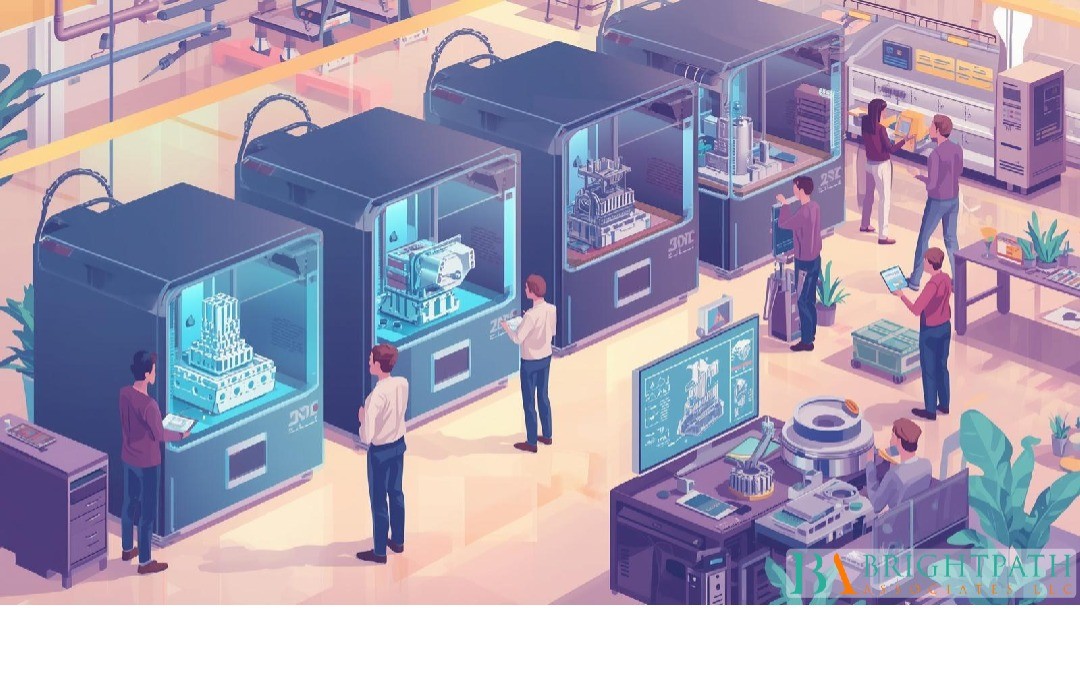
The metal and mining industry is entering a new era of transformation, driven by technological advancements that are redefining how production is approached. Among these innovations, 3D printing—also known as additive manufacturing—is emerging as a powerful force that is reshaping traditional manufacturing models. For decades, processes such as casting, forging, and machining have dominated the industry. However, as businesses face increasing pressure to improve efficiency, reduce costs, and enhance sustainability, 3D printing is proving to be more than just an alternative—it is becoming a strategic necessity.
At its core, metal 3D printing involves building components layer by layer using metal powders or wires, guided by digital design files. Unlike traditional subtractive manufacturing, which removes material to create a final product, additive manufacturing uses only the material required. This fundamental difference not only reduces waste but also significantly improves resource efficiency. As a result, companies are able to achieve faster production cycles while maintaining high levels of precision and quality. This shift is particularly relevant for small to mid-sized enterprises looking to remain competitive in a rapidly evolving industrial landscape.
One of the most compelling advantages of 3D printing in metal manufacturing is its ability to reduce production time and costs. Traditional manufacturing processes often involve multiple stages, including tooling, assembly, and finishing, each adding complexity and expense. In contrast, additive manufacturing streamlines production by eliminating many of these intermediate steps. This enables organizations to produce components faster, reduce labor dependency, and minimize tooling investments. For industries where customization and low-volume production are critical, this technology offers a significant competitive edge.
Beyond efficiency, 3D printing unlocks unprecedented design freedom. Engineers and designers are no longer constrained by the limitations of traditional manufacturing methods. Complex geometries, lightweight lattice structures, and integrated components can now be created with ease. These innovations are particularly valuable in sectors such as aerospace, automotive, and heavy machinery, where performance, durability, and weight optimization are key considerations. As a result, companies can innovate more rapidly and bring advanced products to market faster than ever before.
Another major impact of additive manufacturing is its ability to transform supply chains. In recent years, global disruptions have exposed the vulnerabilities of traditional supply chain models. Metal 3D printing offers a solution by enabling localized, on-demand production. Instead of relying on long and complex supply chains, organizations can produce parts closer to the point of use, reducing transportation costs and lead times. This shift toward decentralized manufacturing is especially beneficial for mining and metals companies operating in remote locations, where access to critical components can often be a challenge. To better understand how these evolving dynamics are shaping the sector, you can explore the Mining & Metals Industry solutions offered by BrightPath Associates LLC.
Sustainability is another area where 3D printing is making a significant impact. As environmental concerns continue to grow, companies are under increasing pressure to adopt more sustainable practices. Traditional manufacturing processes often result in high levels of material waste, whereas additive manufacturing uses only the necessary material, dramatically reducing scrap. This not only lowers raw material costs but also helps organizations meet their environmental, social, and governance (ESG) goals. Additionally, the energy efficiency associated with streamlined production processes further enhances the sustainability profile of additive manufacturing.
Despite its many advantages, the adoption of metal 3D printing is not without challenges. High initial investment costs for industrial-grade printers and materials can be a barrier for some organizations. There are also limitations related to material compatibility and production scale, as traditional methods still dominate high-volume manufacturing. However, ongoing advancements in technology and increasing accessibility are gradually addressing these challenges, making additive manufacturing more viable for a wider range of applications.
For leaders in the metal and mining industry, the rise of 3D printing represents a strategic opportunity to drive innovation and gain a competitive advantage. Organizations that embrace this technology early can optimize operations, enhance supply chain resilience, and unlock new revenue streams. However, successfully integrating additive manufacturing into existing systems requires more than just technology—it requires the right talent and leadership. Companies need professionals who can navigate both traditional manufacturing processes and emerging digital innovations, ensuring a seamless transition into the future of production.
As the industry continues to evolve, the importance of strategic talent acquisition becomes increasingly evident. At BrightPath Associates LLC, we specialize in helping small to mid-sized enterprises in the metal and mining sector identify and secure the leadership talent needed to drive transformation. By aligning hiring strategies with industry trends, organizations can position themselves for long-term success in an increasingly competitive environment. For a deeper understanding of how 3D printing is shaping future of production.
Looking ahead, it is clear that 3D printing will play a pivotal role in the future of metal manufacturing. As costs continue to decline and capabilities expand, additive manufacturing will move from niche applications to mainstream production. This shift will redefine industry standards, creating new opportunities for innovation and growth. The key question for decision-makers is not whether to adopt this technology, but how quickly they can integrate it into their operations to stay ahead of the curve.
How is your organization preparing for the future of metal manufacturing? Are you exploring the potential of 3D printing, or still evaluating its impact? The conversation is just beginning, and the companies that engage early will be the ones that lead the industry forward. If you are looking to build a future-ready team that can navigate this transformation, now is the time to take action.
