3D Printing in Construction: The Future of Building Components
Author : Shawn Fisher | Published On : 25 Jun 2026
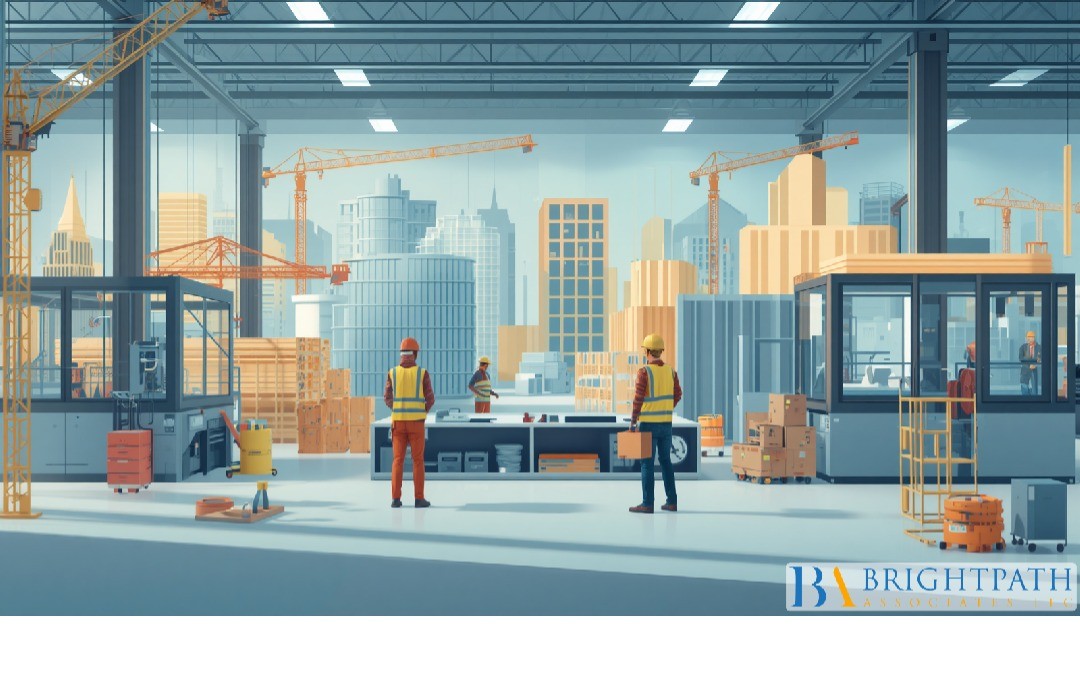
The construction industry has long been recognized as one of the most essential sectors supporting economic growth, infrastructure development, and urban expansion. Yet, despite its importance, the industry has historically been slower to adopt transformative technologies compared to sectors such as manufacturing, healthcare, and logistics. Today, however, innovation is rapidly reshaping the construction landscape, and one technology stands out as a potential game-changer: 3D printing. As companies seek new ways to reduce costs, accelerate project timelines, improve sustainability, and address labor shortages, 3D printing is emerging as a powerful solution that could redefine how building components are designed, manufactured, and assembled.
The growing interest in 3D printing within construction is driven by several industry challenges. Rising material costs, skilled labor shortages, supply chain disruptions, and increasing pressure to meet sustainability goals have forced organizations to explore alternative approaches to traditional construction methods. Unlike conventional manufacturing processes that often involve significant material waste and lengthy production cycles, 3D printing enables the creation of complex building components with remarkable precision and efficiency. This capability is opening new opportunities for construction firms, developers, and building materials manufacturers seeking competitive advantages in a rapidly evolving market.
One of the most significant benefits of 3D printing is its ability to accelerate project delivery. Traditional construction often involves multiple stages of manufacturing, transportation, and assembly, each introducing potential delays and inefficiencies. With 3D printing technology, components can be produced directly from digital designs, reducing reliance on complex supply chains and minimizing production lead times. As a result, projects can move from concept to completion much faster than conventional approaches allow.
Another compelling advantage is the flexibility that 3D printing offers in design and customization. Architects and engineers are no longer constrained by many of the limitations associated with traditional manufacturing methods. Complex geometries, customized structural elements, and innovative architectural features can be produced with greater ease and precision. This flexibility enables companies to deliver unique designs while maintaining high levels of quality and structural integrity.
Sustainability has become a major priority throughout the construction and building materials sectors. Environmental regulations, investor expectations, and customer preferences are driving organizations to adopt more sustainable practices. 3D printing supports these goals by reducing material waste and optimizing resource utilization. Traditional manufacturing processes often generate excess waste due to cutting, shaping, and assembly requirements. In contrast, additive manufacturing techniques use only the material necessary to create the desired component, significantly improving resource efficiency.
The technology also has the potential to address one of the industry's most pressing challenges: workforce shortages. Across the United States, construction companies continue to struggle with attracting and retaining skilled labor. As experienced workers retire and fewer younger professionals enter the trades, labor shortages threaten project schedules and profitability. While 3D printing is not a complete solution to workforce challenges, it can automate certain production processes and reduce reliance on manual labor for repetitive manufacturing tasks. This allows organizations to maximize productivity while focusing skilled workers on higher-value activities.
The impact of 3D printing extends beyond individual projects and into broader supply chain strategies. Supply chain disruptions have highlighted vulnerabilities within traditional construction material sourcing and manufacturing processes. By enabling localized production of building components, 3D printing can help organizations reduce transportation costs, shorten supply chains, and improve operational resilience. Companies that embrace decentralized manufacturing models may be better positioned to respond to changing market conditions and customer demands.
Innovation within the Building Materials Industry continues to accelerate as organizations explore advanced materials specifically designed for additive manufacturing. Researchers and manufacturers are developing specialized concrete mixtures, composites, polymers, and sustainable materials optimized for 3D printing applications. These innovations are expanding the range of components that can be produced while improving performance characteristics such as durability, strength, and environmental sustainability.
For executives seeking a deeper understanding of trends shaping the future of construction and manufacturing, BrightPath Associates LLC provides valuable insights through its Building Materials Industry. Who stay informed about emerging technologies and market developments are often better positioned to identify opportunities for growth, innovation, and competitive differentiation.
The financial implications of 3D printing are also attracting attention from investors and business leaders. Although initial investments in equipment, software, and workforce training may be substantial, many organizations view these expenditures as strategic investments in long-term efficiency and profitability. Reduced labor costs, lower material waste, faster project completion times, and improved customization capabilities can generate significant returns over time. As technology adoption increases and equipment costs continue to decline, 3D printing is expected to become increasingly accessible to small and mid-sized companies.
Another area where 3D printing demonstrates considerable promise is disaster recovery and affordable housing development. The ability to rapidly produce building components and even entire structures has generated interest among governments, nonprofit organizations, and private developers seeking efficient solutions for housing shortages and emergency response efforts. Faster construction timelines and reduced costs could help address critical housing needs while supporting community development initiatives.
Despite its potential, widespread adoption of 3D printing in construction is not without challenges. Regulatory frameworks, building codes, quality standards, and workforce training requirements must continue evolving to support broader implementation. Industry stakeholders must work collaboratively to establish best practices, ensure safety compliance, and build confidence among customers, investors, and regulators. However, as successful projects continue to demonstrate the viability of additive manufacturing, many of these barriers are expected to diminish over time.
Leadership will play a critical role in determining how effectively organizations capitalize on this technological transformation. Executives must evaluate investment opportunities, assess operational impacts, and develop strategies that align innovation initiatives with long-term business objectives. Companies that proactively embrace emerging technologies often gain advantages in efficiency, customer satisfaction, and market positioning.
Additional perspectives on the future of additive manufacturing in construction can be found in BrightPath Associates LLC's original article on the subject: 3D Printing in Construction. The article explores how 3D printing is reshaping building component manufacturing and creating new possibilities for innovation throughout the construction ecosystem.
As the construction industry continues its digital transformation journey, 3D printing is poised to become a significant driver of change. Organizations that invest in innovation today may be better equipped to navigate future challenges, improve operational performance, and meet evolving customer expectations. The technology represents more than a manufacturing advancement; it symbolizes a broader shift toward smarter, more sustainable, and more efficient construction practices.
