3D and 4D Ultrasound: Understanding Advanced Imaging and What to Expect
Author : SADHU VASWANI MISSION MEDICAL CENTRE | Published On : 02 Sep 2026
Ultrasound imaging is an important diagnostic tool used to examine internal structures of the body. With advances in imaging technology, 3D and 4D ultrasound can provide more detailed views in situations where advanced imaging is recommended by a healthcare professional.
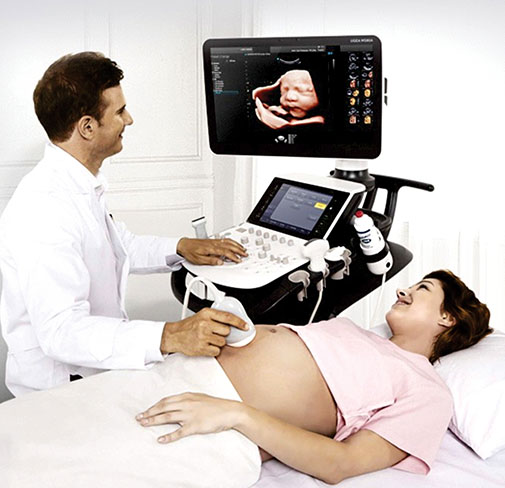
These scans are particularly well known for pregnancy imaging, although ultrasound can also be used to examine several other areas depending on the patient's medical requirements. If you are searching for 3D ultrasound near me, it is useful to understand how the scan works, when it may be recommended, and what factors should be considered when choosing a diagnostic centre.
What Is a 3D Ultrasound?
A 3D ultrasound creates three-dimensional images of the structures being examined. Unlike conventional two-dimensional ultrasound, which displays flat images, 3D technology can provide a more detailed spatial view.
During pregnancy, 3D imaging may help provide clearer views of certain fetal structures when clinically appropriate. The type of scan required depends on the pregnancy stage and the recommendation of the healthcare professional.
What Is a 4D Ultrasound?
4D ultrasound builds on 3D imaging by adding movement over time. In simple terms, it can produce moving three-dimensional images during the examination.
This can allow healthcare professionals to observe certain structures and movements in real time. The usefulness of 4D imaging depends on factors such as the purpose of the examination, gestational age, fetal position, and image quality.
People searching for 4D ultrasound near me should choose a diagnostic centre with appropriate equipment and qualified professionals rather than selecting a facility based only on price.
Difference Between 3D and 4D Ultrasound
The main difference is how the images are presented.
- 2D ultrasound: Produces conventional two-dimensional images.
- 3D ultrasound: Produces three-dimensional images.
- 4D ultrasound: Provides moving three-dimensional images in real time.
Not every patient needs 3D or 4D imaging. The appropriate examination should be selected according to the clinical requirement.
When Is 3D or 4D Ultrasound Used?
3D and 4D ultrasound may be recommended in selected situations, particularly during pregnancy.
Depending on the clinical requirement, ultrasound services may include:
- Early pregnancy scans
- Level 2 obstetric scans
- Advanced pregnancy scans
- Abdominal ultrasound
- Pelvic ultrasound
- KUB ultrasound
- Other specialized examinations
The exact type of scan depends on the patient's symptoms, pregnancy stage, medical history, and doctor's recommendation. The diagnostic centre's current service information also lists general abdominal, pelvic and KUB scans alongside early pregnancy, Level 2 and advanced pregnancy scans.
Is 3D and 4D Ultrasound Safe?
Ultrasound uses high-frequency sound waves rather than ionizing radiation. It is widely used in medical imaging, including pregnancy-related examinations.
However, ultrasound should be performed for an appropriate medical purpose and by trained professionals. Patients should follow the instructions provided by their doctor or diagnostic centre.
What Happens During an Ultrasound Scan?
The process generally begins with preparation according to the type of examination.
During the scan, a trained professional uses an ultrasound transducer to obtain images of the required area. The images are then reviewed and interpreted by an appropriately qualified radiologist or sonologist.
The duration of an examination can vary depending on the type of scan and the patient's individual circumstances.
Preparing for Your Ultrasound
Preparation depends on the examination being performed.
Some abdominal scans may require fasting, while certain pelvic examinations may require specific bladder preparation. Pregnancy scans and other examinations can have different instructions.
Patients should follow the preparation guidelines provided at the time of booking. Proper preparation can help obtain useful images and make the examination smoother.
What Factors Affect Ultrasound Image Quality?
Several factors can influence the quality of an ultrasound examination.
These may include:
- Type of ultrasound equipment
- Position of the patient
- Area being examined
- Pregnancy stage
- Fetal position during pregnancy
- Patient-specific anatomical factors
- Skill and experience of the professional performing the examination
Therefore, choosing a diagnostic centre with suitable technology and trained professionals is important.
Choosing a 3D Ultrasound Centre in South Delhi
If you are looking for 3D ultrasound in South Delhi, consider factors such as equipment quality, professional expertise, hygiene standards, reporting practices, and the range of diagnostic services available.
A centre offering multiple ultrasound options can be useful when different types of imaging are required during the course of medical care.
The radiology service at the medical centre states that it uses modern 3D and 4D ultrasound machines and provides reporting by qualified radiology professionals.
Choosing a 4D Ultrasound Centre
Patients searching for 4D ultrasound in South Delhi should consider whether the centre has appropriate 4D imaging technology and trained professionals who can perform and interpret the examination.
Other factors worth considering include:
- Qualified radiologists or sonologists
- Modern imaging equipment
- Clean and hygienic facilities
- Clear preparation instructions
- Reliable reporting
- Convenient appointment availability
- Transparent information about the examination
These factors can contribute to a more comfortable and organized diagnostic experience.
3D and 4D Ultrasound During Pregnancy
Ultrasound is commonly used during pregnancy to monitor development and assess various structures.
Depending on the stage of pregnancy and clinical requirement, different examinations may be recommended. A Level 2 scan, for example, is a detailed pregnancy ultrasound used for assessment of fetal anatomy.
3D or 4D imaging may sometimes provide additional views, but it does not replace medically indicated examinations. The doctor or radiologist can determine which type of scan is appropriate.
Importance of Professional Reporting
Getting an ultrasound is only one part of the diagnostic process. Proper interpretation of the images is equally important.
A qualified radiologist or sonologist reviews the images and prepares a report. The treating doctor can then consider those findings together with the patient's symptoms, medical history, examination, and other investigations.
Patients should discuss their report with their doctor instead of trying to interpret individual ultrasound images independently.
3D and 4D Ultrasound Services at SADHU VASWANI MISSION MEDICAL CENTRE
SADHU VASWANI MISSION MEDICAL CENTRE provides 3D and 4D ultrasound services along with other diagnostic imaging options. Its listed ultrasound services include general abdominal and pelvic scans, KUB imaging, early pregnancy scans, Level 2 obstetric scans, and advanced pregnancy scans.
The centre states that its imaging services are supported by modern equipment, qualified radiology professionals, and a hygienic environment.
When Should You Get a 3D or 4D Ultrasound?
The need for advanced ultrasound imaging depends on the patient's medical situation. During pregnancy, the timing and type of scan should follow the advice of the treating obstetrician or qualified healthcare professional.
For non-pregnancy-related examinations, the appropriate ultrasound type depends on the area being investigated and the suspected condition.
It is better to choose the scan based on medical requirements rather than simply requesting the most advanced imaging available.
Conclusion
3D and 4D ultrasound technologies provide advanced imaging capabilities that can be useful in selected diagnostic and pregnancy-related examinations. While 3D ultrasound provides three-dimensional images, 4D ultrasound adds movement to those images in real time.
If you are searching for 3D ultrasound near me or 4D ultrasound near me, consider professional expertise, equipment quality, reporting standards, hygiene, and the specific diagnostic services offered.
