2026 Outlook: Comprehensive Look at US Railroad Manufacturing Industry
Author : David Pitman | Published On : 25 Mar 2026
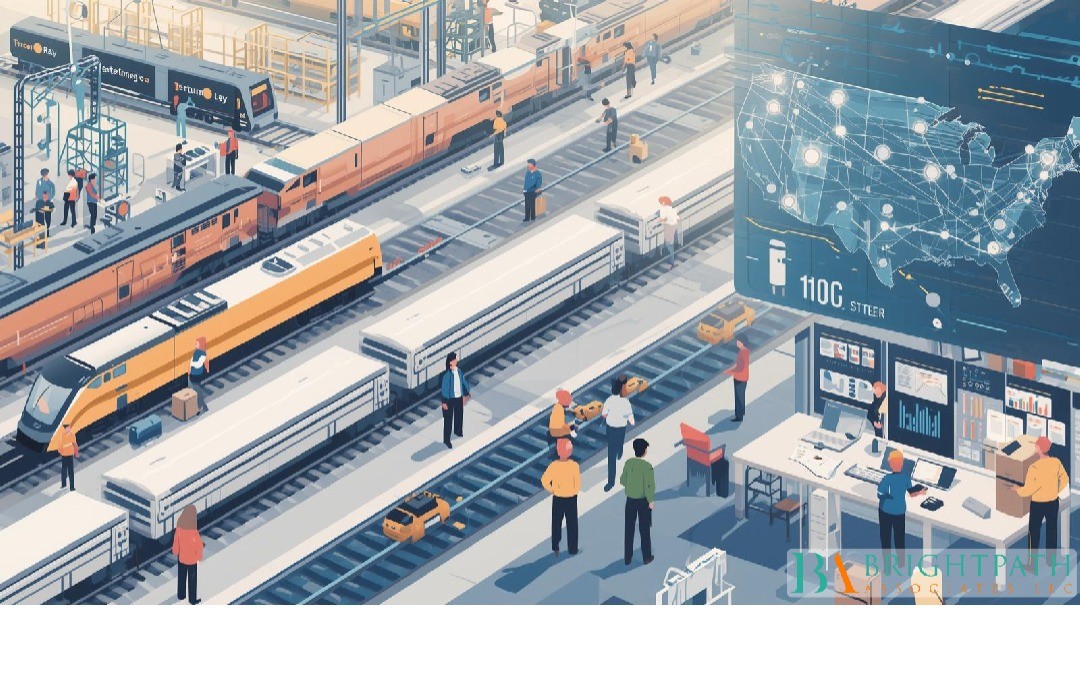
The U.S. railroad manufacturing industry is entering 2026 at a critical inflection point. After navigating economic uncertainty, supply chain disruptions, and regulatory challenges in recent years, the sector is now poised for transformation. However, this transformation is not linear—it is shaped by a combination of technological innovation, infrastructure investment, and evolving market dynamics.
A Market Defined by Growth and Transformation
The global rail industry continues to demonstrate strong long-term potential, with projections indicating it could reach over $436 billion by 2030, driven by modernization efforts, sustainability initiatives, and infrastructure expansion.
In the U.S., this growth is closely tied to increasing demand for efficient freight transportation, government-backed infrastructure investments, and the push toward decarbonization. Rail remains one of the most energy-efficient modes of transport, making it a strategic priority in the transition toward more sustainable logistics systems.
At the same time, the railroad construction market alone is projected to grow steadily, reaching $227 billion in 2026, supported by expanding rail networks and technological advancements. This combination of demand and investment is creating new opportunities for manufacturers across the value chain.
Key Trends Shaping the Industry in 2026
1. Digitalization and Smart Rail Technologies
Digital transformation is becoming a defining force in railroad manufacturing. Technologies such as artificial intelligence, predictive maintenance, and automated inspection systems are moving from pilot phases into full-scale operational deployment.
Rail operators are increasingly embedding AI-driven solutions into daily operations to reduce downtime, improve safety, and enhance efficiency. For manufacturers, this shift is driving demand for advanced components, smart systems, and digitally enabled rolling stock.
2. Sustainability and Decarbonization Initiatives
Environmental sustainability is no longer optional—it is a regulatory and competitive necessity. The rail industry already contributes significantly lower emissions compared to other transport modes, but further improvements are being pursued through:
-
Electrification of rail systems
-
Hydrogen and hybrid train technologies
-
Energy-efficient manufacturing processes
As sustainability becomes a core focus, manufacturers must align their strategies with low-carbon innovation to remain competitive.
3. Infrastructure Investment and Modernization
Public and private investments are fueling a new wave of infrastructure upgrades across the U.S. rail network. These investments are focused on improving capacity, resilience, and safety.
Recent large-scale modernization initiatives, including multi-billion-dollar locomotive upgrade programs, highlight the industry's commitment to enhancing operational efficiency and reliability. For manufacturers, this translates into sustained demand for upgraded equipment, components, and engineering solutions.
4. Supply Chain and Economic Pressures
Despite positive growth signals, the industry continues to face challenges. Ongoing economic uncertainty, trade policies, and supply chain disruptions are impacting production and planning. Manufacturing activity has shown mixed performance, with fluctuations driven by tariffs, labor shortages, and changing global trade dynamics.
Additionally, intermodal volumes and carload performance have shown signs of volatility, reflecting broader economic conditions and shifting demand patterns. For industry leaders, navigating these uncertainties requires agility and strategic foresight.
Rise of Short Lines and Mid-Sized Opportunities
One of the most notable developments in 2026 is the growing importance of short line and regional railroads. These operators are gaining momentum due to increased financial support, partnerships with larger rail networks, and their ability to serve niche markets effectively.
This trend creates significant opportunities for small to mid-sized manufacturers, who can position themselves as agile partners capable of delivering specialized solutions. To better understand how this evolving landscape is shaping opportunities and talent needs, explore the Railroad Manufacturing Industry and how companies are adapting to these changes.
Technology as a Competitive Differentiator
As the industry evolves, technology is becoming a key differentiator between market leaders and laggards. Manufacturers that invest in automation, digital integration, and advanced engineering capabilities are better positioned to:
-
Improve production efficiency
-
Reduce operational costs
-
Deliver higher-quality products
-
Meet evolving customer demands
In contrast, companies that fail to adopt new technologies risk falling behind in an increasingly competitive market.
Overcoming Challenges and Unlocking Growth
To succeed in 2026 and beyond, railroad manufacturing companies must adopt a proactive approach to addressing industry challenges. This includes:
-
Investing in digital transformation and automation
-
Strengthening supply chain resilience
-
Aligning operations with sustainability goals
-
Building strong leadership and talent pipelines
Companies that successfully integrate these elements will be better equipped to navigate uncertainty and capitalize on emerging opportunities.
Future of Railroad Manufacturing
Looking ahead, the U.S. railroad manufacturing industry is poised for steady growth, driven by infrastructure investment, technological innovation, and sustainability initiatives. However, the path forward will not be without challenges. Economic volatility, regulatory pressures, and talent shortages will continue to shape the industry landscape.
For organizations willing to adapt, innovate, and invest strategically, the future presents significant opportunities. For a deeper dive into the trends, challenges, and strategies shaping this sector, explore 2026 Outlook at U.S. Railroad Manufacturing Industry.
Final Thought: Are You Positioned for 2026?
The railroad manufacturing industry is entering a new era—one defined by transformation, innovation, and opportunity. The key question for leaders is not whether change is coming, but whether their organizations are prepared to lead it.
