What Every Driver Should Understand About Engine Control Units and Replacement Options
Author : james william | Published On : 09 Jun 2026
What Every Driver Should Understand About Engine Control Units and Replacement Options
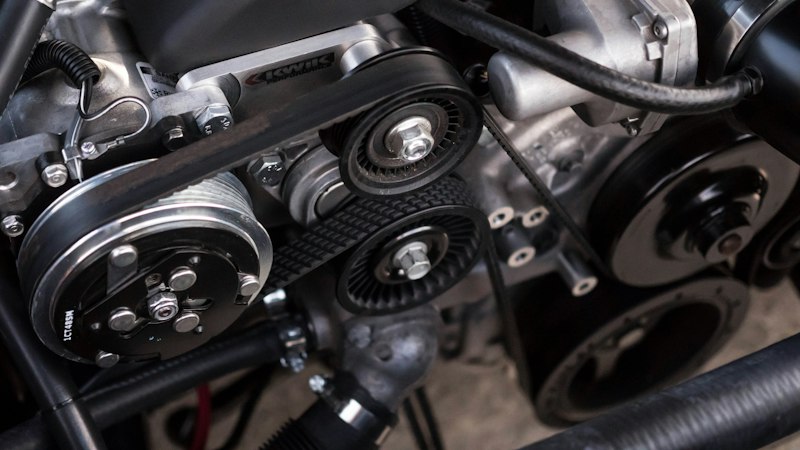
Modern vehicles rely on dozens of electronic systems working together, but none is more central than the engine control unit. Often called the ECU or engine management computer, this component controls fuel injection, ignition timing, emissions systems, and dozens of other parameters that determine how your car starts, runs, and performs. When it fails, the consequences range from poor fuel economy to a vehicle that will not start at all.
Understanding how the ECU works, what causes it to fail, and what to look for when shopping for a replacement can save drivers significant time and money. Whether you drive a daily commuter or manage a fleet of vehicles, knowing the basics of ECU replacement helps you make informed decisions rather than relying solely on a garage's recommendation.
What the Engine Control Unit Actually Does
The ECU is essentially a specialised computer that receives data from sensors throughout the engine and exhaust system, processes that data in real time, and sends commands to actuators that control engine behaviour. It adjusts fuel-air mixture based on throttle position, engine temperature, and oxygen sensor readings. It manages ignition timing to balance power output against emissions requirements. In turbocharged engines, it controls boost pressure to protect the engine from damage.
This constant monitoring and adjustment happens thousands of times per minute. When everything works correctly, the driver never notices. When the ECU begins to fail, the symptoms can be confusing because they often mimic other problems such as faulty sensors, clogged fuel injectors, or ignition coil failures.
Common Symptoms of ECU Problems
One of the first signs of an ECU issue is the check engine light illuminating without an obvious cause. Diagnostic tools may return multiple error codes that seem unrelated, which is a strong indicator that the computer itself is struggling rather than individual sensors failing. Drivers may notice rough idling, hesitation during acceleration, stalling at low speeds, or a noticeable drop in fuel efficiency.
In more severe cases, the vehicle may enter limp mode, restricting engine power to prevent damage. Some ECU failures prevent the engine from starting altogether. Because these symptoms overlap with many other issues, proper diagnosis is essential before replacing the unit.
Causes of ECU Failure
ECUs are designed to be durable, but they are not indestructible. Electrical surges, often caused by jump-starting a vehicle incorrectly or a failing alternator, can damage internal circuitry. Water intrusion through damaged seals or corroded connectors is another common cause, particularly in older vehicles or those frequently driven in wet conditions.
Heat is a significant factor as well. The ECU is typically located in the engine bay or under the dashboard, both areas subject to temperature extremes. Over years of thermal cycling, solder joints on the circuit board can crack, leading to intermittent failures that worsen over time. Vibration from poor road conditions contributes to this degradation.
Choosing the Right Replacement ECU
When replacing an ECU, the replacement must be compatible with your vehicle's specific make, model, engine size, and transmission type. ECUs are not interchangeable between different variants of the same car. The part number on the original unit is the most reliable way to identify the correct replacement. For drivers looking for cost-effective options, suppliers like AZ Car Parts stock replacement ECUs and engine management components matched to a wide range of vehicle makes and models.
Replacement options include new units, reconditioned units, and used units pulled from donor vehicles. New units offer the longest warranty but come at the highest price. Reconditioned units have been repaired and tested, offering a middle ground. Used units carry the most risk but are the most affordable. Whichever option you choose, ensure the supplier provides a warranty and that the unit has been tested before shipping.
Installation and Programming Considerations
Installing a replacement ECU is not simply a matter of plugging it in. Most modern vehicles require the new unit to be programmed or paired with the car's immobiliser system. This typically requires specialist diagnostic equipment that is not available to the average home mechanic. Some replacement ECUs come pre-programmed for specific vehicles, which simplifies the process.
After installation, the engine may need to relearn adaptive values, which can take several driving cycles. During this period, idle quality and throttle response may feel different from normal. If problems persist after the relearn period, further diagnosis may be needed to check for underlying sensor or wiring issues that contributed to the original failure.
Conclusion
The engine control unit is one of the most important components in any modern vehicle. Recognising the symptoms of failure, understanding the causes, and knowing your replacement options puts you in a stronger position when repairs become necessary. Take time to verify compatibility, choose a reputable supplier, and ensure proper programming during installation. With the right approach, ECU replacement does not have to be a stressful or unexpectedly expensive experience.
