Use of Nylon Suture, Silk Suture, and Polyester Suture in Modern Surgical Practice
Author : Suture Planet | Published On : 09 Jun 2026
In modern surgical practice, the selection of appropriate suture material plays a critical role in ensuring optimal wound healing, minimal tissue reaction, and improved patient outcomes. Among the most widely used materials are Nylon Suture, Silk Suture, and Polyester Suture, each offering unique properties that cater to different surgical needs. These materials are carefully evaluated based on tensile strength, absorbability, handling characteristics, and tissue compatibility. Medical professionals rely on high-quality products from trusted suppliers such as Suture Planet, which ensures consistency and reliability in surgical procedures. The understanding of suture materials is essential for surgeons, nurses, and medical technicians involved in wound closure and post-operative care.
Nylon Suture is a non-absorbable synthetic material widely used in various surgical procedures, especially in skin closure and plastic surgery. The material is known for its high tensile strength, minimal tissue reactivity, and excellent knot security. Surgeons prefer Nylon Suture in procedures where long-term wound support is required without significant degradation. It is particularly effective in dermatological applications where cosmetic outcomes are important. The smooth surface of Nylon Suture allows easy passage through tissues, reducing trauma and improving healing efficiency. In addition, Nylon Suture is available in monofilament and multifilament forms, offering flexibility in surgical choice. Healthcare institutions often source reliable Nylon Suture products from Suture Planet, ensuring standardized quality and performance. The versatility of Nylon Suture makes it an essential component in general surgery, ophthalmic procedures, and microsurgery. Proper handling and storage of Nylon Suture are important to maintain its integrity and effectiveness during surgical applications.

Silk Suture is a natural, non-absorbable suture material derived from silkworm fibers and is widely used in medical and surgical applications. It is appreciated for its excellent handling properties, flexibility, and smooth knot tying ability. Silk Suture is commonly used in ligation procedures and in securing soft tissues where gentle handling is required. Despite being non-absorbable, Silk Suture gradually loses tensile strength over time due to tissue interaction. Surgeons often select Silk Suture for procedures involving gastrointestinal surgery, ophthalmic surgery, and vascular ligation. The braided structure of Silk Suture enhances its knot security, making it a preferred choice in delicate surgical environments. However, Silk Suture may induce a mild tissue reaction compared to synthetic alternatives. Proper sterilization and storage are essential to maintain the effectiveness of Silk Suture in clinical use. Its cost-effectiveness and ease of use make Silk Suture a widely adopted option in many healthcare settings worldwide.
Polyester Suture is a synthetic, non-absorbable suture material known for its exceptional strength, durability, and resistance to stretching. It is widely used in cardiovascular, orthopedic, and general surgical procedures where long-term tissue support is required. Polyester Suture provides excellent knot security and minimal tissue reactivity, making it suitable for high-tension closures. Surgeons often rely on Polyester Suture in procedures involving tendon repair and vascular anastomosis. The braided structure of Polyester Suture enhances handling characteristics while maintaining strong tensile properties. In addition, Polyester Suture is resistant to degradation in biological environments, ensuring long-lasting per
formance. Proper selection of Polyester Suture is essential for achieving optimal surgical outcomes and minimizing post-operative complications. Its versatility allows it to be used in a wide range of medical applications. Medical professionals value Polyester Suture for its reliability and consistent performance in demanding surgical environments.
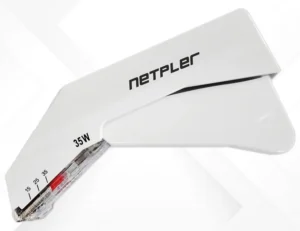
The selection of suture material in surgical practice depends on multiple clinical factors including tissue type, healing duration, infection risk, and required tensile strength. Nylon Suture, Silk Suture, and Polyester Suture each serve distinct roles that contribute to effective wound management and successful surgical outcomes. Nylon Suture is often preferred for skin closure due to its strength and minimal tissue reaction, while Silk Suture is valued for its superior handling and knot security in delicate procedures. On the other hand, Polyester Suture is commonly chosen for high-tension closures and cardiovascular applications where durability is essential. Understanding the differences between Nylon Suture, Silk Suture, and Polyester Suture allows healthcare professionals to make informed decisions tailored to patient needs. The proper application of these materials reduces complications, enhances healing efficiency, and improves overall surgical precision. Continuous advancements in suture technology further improve the performance of Nylon Suture, Silk Suture, and Polyester Suture, ensuring better compatibility with modern surgical techniques. Training and experience play a crucial role in selecting the appropriate material for each procedure. Ultimately, the correct use of these sutures contributes significantly to patient safety and long-term recovery outcomes in healthcare settings.
In conclusion, modern surgical practice relies heavily on appropriate suture selection to ensure safe and effective wound closure. The use of Nylon Suture, Silk Suture, and Polyester Suture continues to support diverse clinical requirements across medical disciplines. Proper understanding and application of these materials enhance surgical precision, reduce complications, and improve patient recovery outcomes in healthcare environments. They remain essential in advancing surgical care standards globally used.
