Sustainability in Utilities: Achieving Environmental and Economic Goals
Author : Bria West | Published On : 09 Jun 2026
For decades, utility companies have been measured primarily by their ability to provide reliable and affordable services. Today, however, the definition of success is rapidly evolving. Utilities across the United States are facing mounting pressure to reduce environmental impact while maintaining operational efficiency and financial performance. Consumers expect cleaner energy solutions, regulators demand greater accountability, investors increasingly prioritize environmental responsibility, and communities seek organizations that contribute positively to a sustainable future. In this changing landscape, sustainability is no longer a public relations initiative or a compliance requirement—it has become a strategic imperative that influences long-term competitiveness and growth.
One of the greatest misconceptions surrounding sustainability in the utilities sector is the belief that environmental responsibility and economic success exist on opposite sides of the equation. Historically, many organizations viewed sustainability initiatives as costly undertakings that delivered limited financial returns. Today, that perspective is shifting. Forward-thinking utility leaders recognize that sustainability can drive innovation, reduce operating expenses, strengthen stakeholder trust, and create new avenues for growth. The conversation has evolved from asking whether utilities can afford to invest in sustainability to asking whether they can afford not to.
The transition toward sustainable operations is being shaped by several powerful forces. Regulatory expectations continue to evolve as governments implement policies designed to reduce emissions and encourage cleaner energy adoption. Consumers are becoming more informed and increasingly favor organizations that demonstrate environmental stewardship. Investors are evaluating companies through environmental, social, and governance frameworks, influencing access to capital and valuation. At the same time, technological advancements are creating opportunities to improve efficiency, modernize infrastructure, and integrate renewable resources into existing systems.
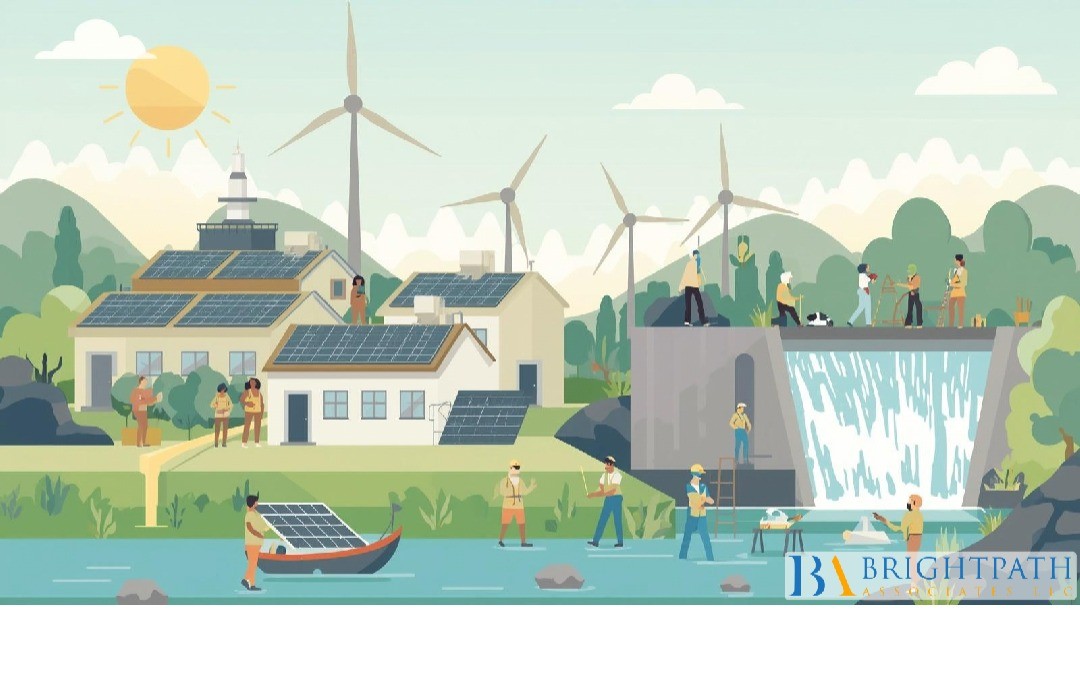
Renewable energy has emerged as one of the most visible aspects of sustainability within the utilities industry. Solar, wind, hydroelectric, and other clean energy solutions are transforming how power is generated and distributed. While the transition requires substantial planning and investment, it also offers significant long-term benefits. Diversified energy portfolios can reduce dependence on volatile fuel markets, enhance energy security, and support regulatory compliance objectives. Utilities that successfully integrate renewable technologies often strengthen their reputations while positioning themselves as leaders in innovation and resilience.
However, sustainability extends well beyond energy generation. Modern utilities are exploring ways to optimize every aspect of their operations. Smart grid technologies enable organizations to improve reliability, identify inefficiencies, and better manage energy consumption. Advanced analytics provide actionable insights that support predictive maintenance and informed decision-making. Water conservation initiatives, waste reduction programs, and infrastructure modernization projects contribute to both environmental objectives and operational excellence. These efforts demonstrate that sustainability is not a standalone initiative but an integrated business philosophy that influences how utilities operate, invest, and grow.
Achieving environmental and economic goals simultaneously requires a long-term perspective. Initial investments in sustainable technologies and infrastructure upgrades may appear substantial, but the long-term returns often justify the commitment. Improved efficiency can lower operating costs. Reduced energy waste can enhance profitability. Strong environmental performance can strengthen relationships with regulators, investors, and customers. Organizations that embrace sustainability strategically often discover that responsible practices contribute directly to business resilience and financial stability.
Equally important is the role of leadership in driving transformation. Sustainability initiatives succeed when they are supported by leaders who understand both the operational realities of the utilities sector and the broader forces reshaping the industry. Executives must balance regulatory compliance, stakeholder expectations, technological advancements, workforce development, and economic performance. They must cultivate cultures that encourage innovation, adaptability, and collaboration. Most importantly, they must inspire confidence and communicate a compelling vision that aligns sustainability objectives with organizational purpose.
This leadership imperative has intensified the demand for specialized talent within the utilities industry. Organizations increasingly seek executives capable of navigating complex transitions while maintaining operational excellence. Leaders with expertise in renewable integration, digital transformation, regulatory strategy, and organizational change have become invaluable assets. As the utilities sector continues to evolve, attracting and retaining future-ready leadership will play a critical role in determining which organizations successfully achieve their sustainability ambitions.
For organizations navigating these workforce and leadership challenges, partnering with experts who understand the industry's unique dynamics can provide a competitive advantage. BrightPath Associates offers specialized executive search expertise tailored to the evolving needs of the Utilities Industry, helping organizations identify leaders capable of driving innovation, resilience, and sustainable growth in an increasingly complex environment.
Another essential aspect of sustainability involves engaging employees and stakeholders throughout the transformation journey. Employees who understand how their work contributes to broader sustainability objectives are often more engaged and committed to organizational success. Transparent communication builds trust among customers, investors, and communities. Collaborative partnerships with technology providers, policymakers, and educational institutions can accelerate progress while fostering innovation. Sustainability becomes most effective when it moves beyond executive discussions and becomes embedded throughout the organization.
As utilities continue to evolve, they must also prepare for emerging challenges. Climate-related events, aging infrastructure, shifting consumer expectations, cybersecurity risks, and workforce transitions will all influence strategic priorities in the years ahead. Organizations that adopt proactive approaches rather than reactive responses will be better positioned to navigate uncertainty. Sustainability provides a framework for balancing immediate operational needs with long-term strategic objectives, ensuring that today's decisions support tomorrow's success.
The journey toward sustainability is neither simple nor linear. It requires investment, commitment, and a willingness to challenge conventional thinking. Yet the rewards extend far beyond environmental outcomes. Utilities that successfully integrate sustainability into their strategies often enhance efficiency, strengthen stakeholder relationships, improve risk management, and unlock opportunities for innovation and growth.
For a deeper exploration of the ideas and perspectives shaping this conversation, readers can review BrightPath Associates' original article on Sustainability in Utilities Achieving Environmental and Economic Goals, which examines the intersection of environmental stewardship and economic performance in greater detail.
As the utilities industry stands at this critical crossroads, leaders must ask themselves important questions. Is sustainability embedded within your organization's long-term strategy, or is it still treated as a separate initiative? Do your leadership teams possess the capabilities needed to navigate the complexities of energy transition and stakeholder expectations? How are you balancing environmental responsibility with operational and financial priorities?
The future of utilities will be shaped by the decisions organizations make today. We invite you to share your perspectives, experiences, and insights in the comments below. What sustainability initiatives have delivered meaningful results within your organization? What challenges continue to stand in the way of progress? The most impactful ideas often emerge through shared experiences, and your perspective could help shape the industry's path forward.
