Pulp and Paper: Trends and Opportunities for Growth
Author : Alan Wood | Published On : 14 May 2026
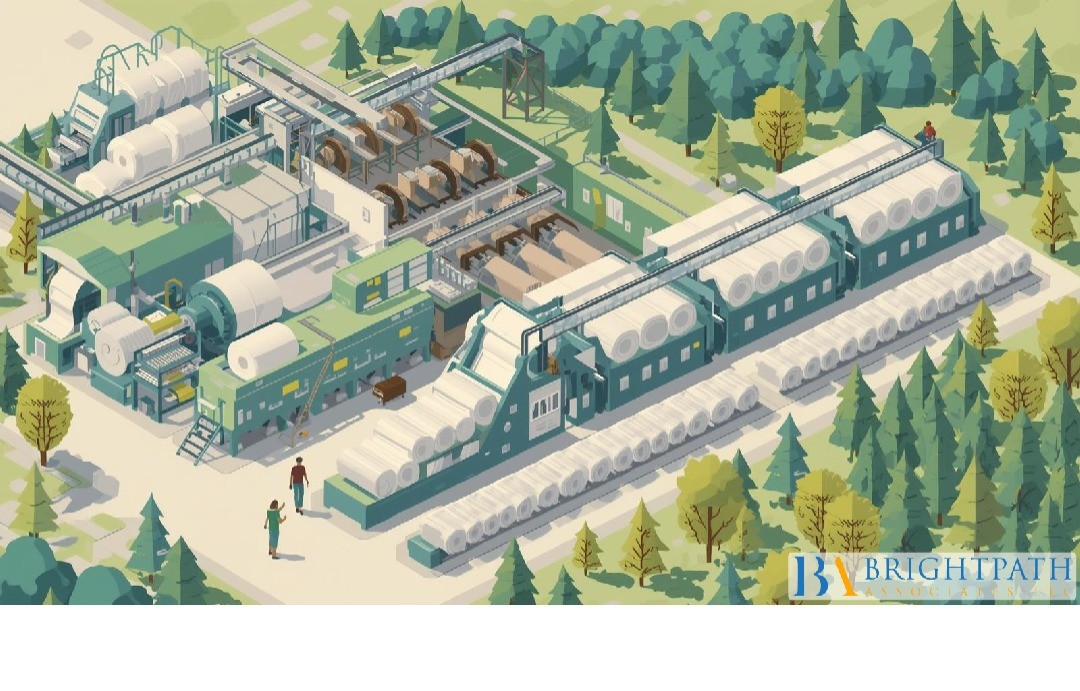
The pulp and paper industry is experiencing a major transformation as manufacturers adapt to changing consumer demands, sustainability expectations, digital innovation, and global supply chain shifts. Once viewed as a mature and traditional industrial sector, the industry is now evolving into a modern, innovation-driven market focused on sustainable packaging, advanced materials, operational efficiency, and circular economy initiatives. Across the United States, small to mid-sized companies are actively seeking new growth opportunities as environmental regulations tighten, e-commerce demand accelerates, and customers increasingly prioritize eco-friendly alternatives over plastic-based packaging solutions.
The global market outlook continues to show long-term opportunities despite ongoing operational and economic pressures. Industry reports indicate that the global pulp and paper market is expected to maintain steady growth through the coming decade, driven primarily by packaging demand, recycling innovation, and sustainable product development. As consumer behavior evolves and businesses prioritize sustainable supply chains, paper-based products are becoming increasingly valuable across packaging, hygiene, food service, logistics, and industrial applications.
Within the evolving Paper & Forest Products Industry, companies are now recognizing that innovation and workforce adaptability are becoming critical competitive advantages. Traditional printing and writing paper demand may continue facing long-term pressure due to digitalization, but high-growth segments such as containerboard, tissue products, specialty paper, molded pulp packaging, and recyclable fiber-based materials are creating entirely new revenue opportunities for manufacturers.
One of the most significant drivers reshaping the industry is the explosive growth of sustainable packaging. Governments, consumers, and multinational corporations are placing increasing pressure on manufacturers to reduce plastic usage and improve recyclability across supply chains. As a result, pulp and paper companies are expanding investments in biodegradable packaging, lightweight containerboard, recycled fiber solutions, and alternative materials designed to support circular economy goals. North American market analysts note that sustainability has evolved from a branding initiative into a contractual requirement within supplier agreements and procurement strategies.
E-commerce growth is also fueling strong demand for corrugated packaging and fiber-based shipping materials. Online retail expansion has significantly increased the need for durable, recyclable packaging capable of supporting modern logistics operations. This trend is creating substantial growth opportunities for manufacturers producing containerboard, paperboard, and protective fiber packaging solutions. Industry analysts project that packaging demand will remain one of the strongest-performing segments within the pulp and paper sector for years to come.
At the same time, technological modernization is transforming manufacturing operations across pulp and paper facilities. Automation, Industrial Internet of Things (IIoT) systems, predictive maintenance technologies, and AI-driven production analytics are helping manufacturers improve operational efficiency while reducing waste, downtime, and energy consumption. Smart manufacturing systems now allow facilities to monitor equipment performance in real time, optimize production schedules, and identify maintenance issues before operational disruptions occur. These innovations are becoming increasingly important as companies face rising energy costs, tighter profit margins, and growing sustainability expectations.
Digital transformation is also improving supply chain visibility and inventory management throughout the industry. Modern paper manufacturers are investing in data-driven operational systems capable of improving procurement strategies, production forecasting, and customer responsiveness. This level of operational intelligence is helping businesses become more agile in responding to changing market conditions, raw material volatility, and evolving customer demands.
As discussed in Pulp and Paper Trends and Opportunities, manufacturers that embrace innovation and modernization strategies are positioning themselves for stronger long-term growth within an increasingly competitive global marketplace.
Sustainability initiatives are creating additional momentum throughout the forest products sector. Companies are investing heavily in recycling technologies, renewable energy integration, water conservation systems, and responsible forestry management practices. Industry research shows that fiber traceability, carbon reduction initiatives, and supply chain transparency are becoming major strategic priorities for paper manufacturers worldwide. These environmental efforts are not only improving regulatory compliance but also strengthening relationships with environmentally conscious customers and investors.
Alternative fiber innovation is emerging as another major trend reshaping the industry. Manufacturers are increasingly exploring bamboo fiber, agricultural residue, recycled pulp, and non-wood fiber materials as sustainable alternatives to traditional wood-based inputs. These innovations are helping companies diversify raw material sourcing while supporting environmental sustainability goals. Research tracking emerging pulp and paper technologies identifies alternative fibers, recycling technologies, biotechnology, and smart packaging systems among the fastest-growing innovation areas within the industry.
Despite these opportunities, the industry continues facing several major challenges. Trade policy uncertainty, tariff pressures, labor shortages, inflation, raw material volatility, and supply chain disruptions are creating operational complexity for manufacturers across North America. Analysts monitoring the pulp and paper market note that regional competition, global pricing pressure, and geopolitical uncertainty continue influencing profitability and long-term investment strategies.
Workforce transformation is becoming one of the most critical issues impacting long-term industry growth. As manufacturing operations become more technologically advanced, companies increasingly require employees with expertise in automation systems, engineering, data analytics, sustainability management, supply chain optimization, and digital manufacturing technologies. However, many small to mid-sized organizations continue struggling to attract and retain highly skilled professionals capable of leading modernization initiatives.
This growing talent gap is placing increased pressure on leadership teams to rethink workforce development and executive hiring strategies. Companies seeking to remain competitive must now focus not only on operational investments but also on building leadership teams capable of navigating digital transformation, sustainability initiatives, and evolving market dynamics. The ability to recruit experienced executives, plant leaders, operations managers, and technical specialists is becoming a defining factor separating growth-focused manufacturers from organizations struggling to adapt to industry change.
The future of the pulp and paper industry will likely be shaped by companies that successfully align sustainability, innovation, operational efficiency, and workforce strategy into a unified long-term vision. Organizations embracing digital modernization, advanced packaging innovation, and environmentally responsible manufacturing practices are positioning themselves to capture emerging opportunities within a rapidly evolving industrial landscape.
The industry is no longer defined solely by traditional paper production. It is becoming a technology-enabled, sustainability-focused sector with expanding opportunities in packaging, renewable materials, recycling innovation, and smart manufacturing. As market demands continue evolving, one important question remains for industry leaders: Which companies are truly prepared to lead the next generation of growth within the pulp and paper industry—and which organizations risk falling behind as transformation accelerates?
