Preparing for Tomorrow: Essential Skills for Future Textile Workforce
Author : Ayesha Diaz | Published On : 09 Jun 2026
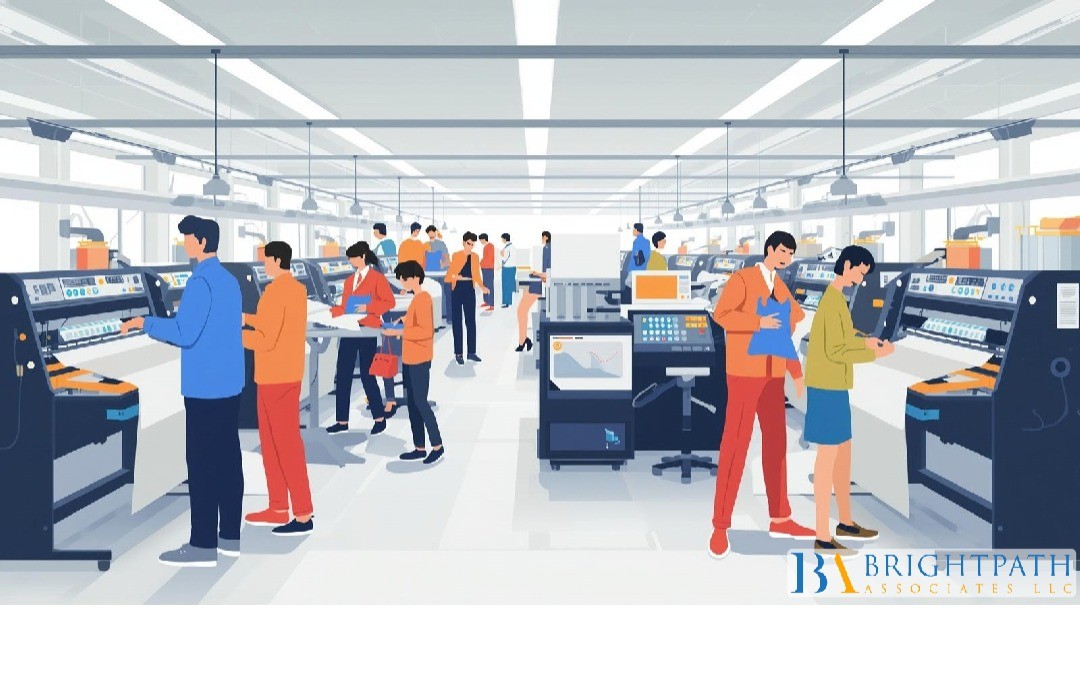
The textile industry has long been recognized for its craftsmanship, innovation, and ability to adapt to changing consumer demands. Yet, the industry standing before us today looks remarkably different from the one that existed even a decade ago. Automation, sustainability initiatives, digital transformation, shifting supply chains, and evolving customer expectations are reshaping how textile businesses operate. As organizations embrace these changes, one reality has become increasingly clear: the future success of textile companies will depend not only on advanced technologies and modern infrastructure but also on the skills and capabilities of the people who power them.
For decades, technical expertise and operational experience were considered sufficient to thrive within textile organizations. While these competencies remain valuable, they are no longer enough on their own. Today's workforce must combine traditional manufacturing knowledge with adaptability, digital literacy, problem-solving abilities, and a commitment to continuous learning. The future textile employee will be expected to navigate sophisticated technologies, collaborate across functions, and contribute to innovation while maintaining the quality and efficiency standards that define the industry.
One of the most significant shifts influencing workforce requirements is the growing integration of technology into textile operations. Smart manufacturing systems, automated production lines, predictive maintenance tools, and data-driven decision-making are becoming commonplace throughout the industry. Employees at every level are increasingly required to interpret information, interact with digital platforms, and understand how technology enhances productivity. Digital literacy is no longer limited to IT departments; it has become a fundamental competency across manufacturing, sourcing, logistics, quality control, and executive leadership functions.
However, technical skills alone will not determine future success. As automation assumes responsibility for repetitive tasks, uniquely human capabilities are becoming more valuable than ever. Critical thinking, creativity, communication, and emotional intelligence enable employees to solve complex problems, manage change effectively, and collaborate with diverse teams. Leaders who can inspire trust, navigate uncertainty, and foster innovation will play an essential role in helping organizations adapt to evolving market conditions. Similarly, frontline employees who demonstrate initiative and adaptability will be better equipped to transition into emerging roles as the industry continues to evolve.
Sustainability is another force reshaping workforce expectations. Consumers, investors, and regulators increasingly expect textile companies to demonstrate environmental and social responsibility. Organizations are adopting sustainable sourcing practices, reducing waste, exploring circular production models, and implementing stricter compliance standards. These initiatives require professionals who understand not only operational efficiency but also the broader implications of sustainability. Employees with knowledge of responsible manufacturing practices, ethical supply chains, environmental regulations, and resource optimization will become increasingly valuable assets in the years ahead.
Globalization and supply chain complexity have further expanded the skill sets required within textile organizations. Businesses must navigate geopolitical uncertainties, changing trade regulations, and fluctuating consumer demands while maintaining efficiency and responsiveness. Employees capable of strategic thinking, cross-cultural communication, and collaborative problem-solving can help organizations remain resilient during periods of disruption. The ability to anticipate challenges and identify opportunities before competitors do often separates industry leaders from those struggling to keep pace.
Perhaps one of the most overlooked yet essential future skills is learning agility. The textile industry is evolving at a pace that makes lifelong learning a business necessity rather than a personal preference. Employees who embrace continuous development and remain curious about emerging trends are better positioned to adapt to changing job requirements. Organizations that invest in upskilling and reskilling initiatives can cultivate internal talent pipelines, reduce skill shortages, and improve retention. In an environment where technologies and market expectations continue to evolve, the willingness to learn may prove just as valuable as existing expertise.
Leadership teams also have a critical role to play in preparing tomorrow's workforce. Future-ready organizations recognize that talent development cannot be delegated solely to human resources departments. Instead, workforce planning must become a strategic priority integrated into broader business objectives. Executives must identify emerging skill gaps, invest in training programs, create mentorship opportunities, and foster cultures that encourage experimentation and innovation.
As competition for skilled professionals intensifies, attracting and retaining top talent has become a strategic differentiator. Employees increasingly seek organizations that offer meaningful work, opportunities for growth, and a clear sense of purpose. Companies that demonstrate a commitment to employee development, diversity, sustainability, and innovation often gain an advantage in the talent marketplace. Recruitment strategies must evolve beyond filling immediate vacancies and instead focus on identifying individuals with the potential to grow alongside the organization.
For textile businesses navigating these workforce challenges, having access to specialized talent expertise can provide a meaningful competitive advantage. BrightPath Associates offers executive search solutions tailored to the unique needs of the Textile Industry, helping small and mid-sized organizations identify leaders and professionals equipped to drive innovation, operational excellence, and sustainable growth in an increasingly dynamic environment.
Preparing for the future is not simply about reacting to industry trends; it is about anticipating them. The organizations that thrive tomorrow will be those that invest in building resilient, adaptable, and highly skilled teams today. They will prioritize workforce development alongside technological advancement, recognizing that innovation is only as effective as the people responsible for implementing it. By aligning talent strategies with evolving business needs, textile companies can position themselves to capitalize on emerging opportunities while successfully navigating inevitable disruptions.
The future textile workforce will look different from today's workforce, but that evolution should be viewed as an opportunity rather than a challenge. It presents an opportunity to redefine career pathways, create more engaging work environments, and cultivate leadership capable of guiding organizations through transformation. Businesses that embrace this mindset will not only strengthen their competitiveness but also contribute to shaping a more innovative, sustainable, and resilient textile industry.
For readers interested in exploring additional insights on this important topic, BrightPath Associates' original article, Preparing for Tomorrow Essential Skills for the Future Textile Workforce, provides further perspectives on the competencies and strategies that will define success in the years ahead.
As the textile industry continues its transformation, leaders face several important questions. Are your current workforce strategies aligned with the realities of tomorrow's marketplace? Which skills are becoming most critical within your organization? How are you preparing employees to adapt, grow, and lead through change?
We invite you to share your experiences, insights, and perspectives in the comments below. What future workforce challenges are you encountering, and what strategies have proven effective in addressing them? The conversations we have today may help shape the workforce solutions that define the textile industry's success tomorrow.
